

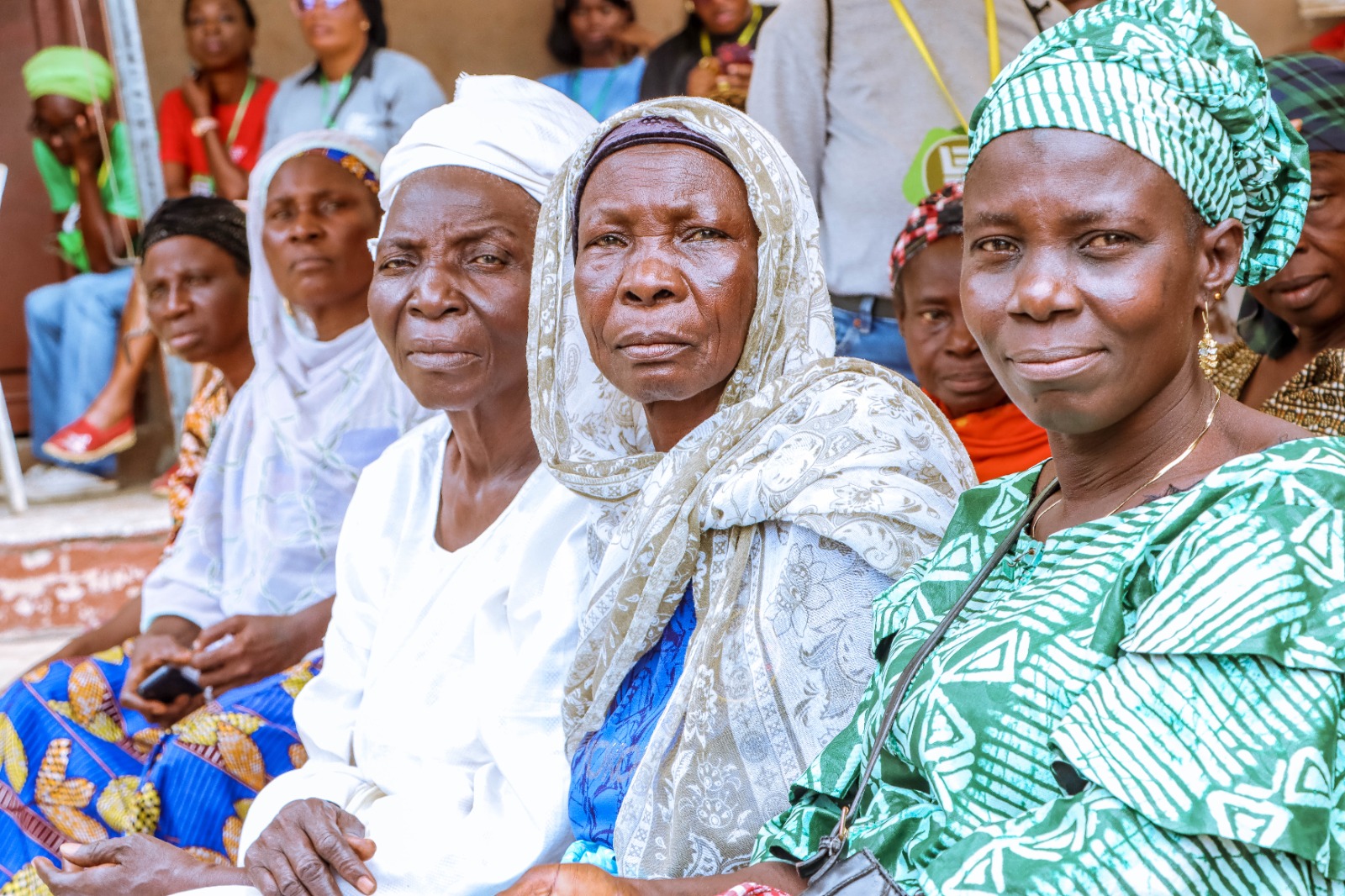
A mother in one of Lagos’ low-income communities stood at a market stall, quietly counting the money left in her hand after buying a small portion of rice and beans. Prices had gone up again. She wondered how she would make the food last through the week without skipping meals or having to borrow.
This is the reality for many families across Lagos.
Recent figures show that food prices are still rising. In February 2026, food inflation increased compared to January, with items like beans, yam, crayfish, and millet flour becoming more expensive.The truth remains that food is still costly for the average family.
In Lagos, this hits even harder because most families buy food daily instead of stocking up. When prices increase, even slightly, it immediately affects what people can afford to eat. For many low-income households, a large part of their income, sometimes up to almost everything, goes into feeding their families. This leaves very little for other needs like school fees, or healthcare.
The Lagos Food Bank Hunger Report 2025 captured this reality in low-income communities, where approximately 72 percent of households face moderate to severe food insecurity. Because of this, families are forced to make difficult choices. Some reduce portion sizes, some skip meals, and others borrow just to get by. Over time, this takes a toll not just on their finances, but on their health and peace of mind.
This is where food banks are making a real difference.
Organizations like the Lagos Food Bank Initiative step in to support families during these tough times, through regular and timely food distributions. By providing nutritious food boxes via programs like TEFAP, the organization helps families reduce the strain on their finances. Instead of spending everything on food, families can use some of their money for other important needs.
While long-term solutions like better policies and improved food systems are important, support from food banks offers something immediate, an intervention families can feel right away.
And there’s room for more people to help. Whether through donations, volunteering, or partnerships, more support means more families can be impacted. Because at the end of the day, having consistent access to food doesn’t just fill stomachs, it brings comfort, dignity, and a sense of hope.