

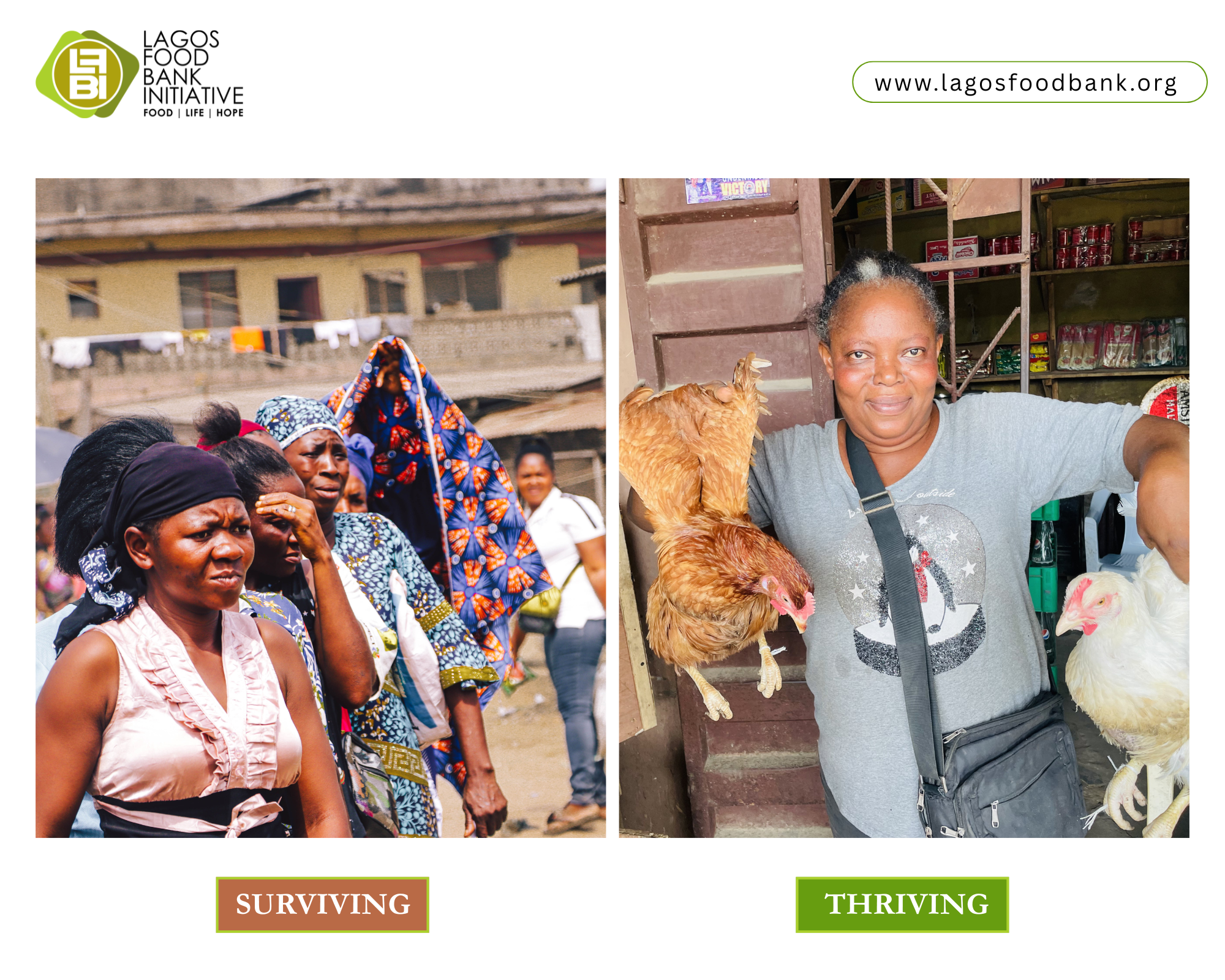
When a mother in Lagos skips breakfast so her children can eat, she is not giving up. She is coping. When a father sells his only phone to buy food for the week, he is not careless. He is surviving. And when a family pulls their daughter from school to save transport fare, they are not abandoning her future. They are desperately protecting her present.
These are coping mechanisms. For millions of Nigerian households, they have become a way of life.
The National Bureau of Statistics reports that more than half of families now rely on negative coping strategies to survive. Skipping meals, borrowing at punishing interest rates, selling household assets, and sending children to work or begging are no longer temporary responses. They are becoming deeply entrenched survival patterns.
But there is a difference between coping and thriving. Coping buys a family one more day. Thriving builds a future. And when coping stretches on for months or years, recovery becomes harder with every passing crisis.
This reality is seen regularly at the Lagos Food Bank Initiative. Families who once managed to stay afloat return with fewer options than before. Informal jobs disappear. Nutritious meals become unaffordable. One by one, families cut vegetables, eggs, protein, and eventually entire meals from their daily lives until there is nothing left to reduce.
This is the coping trap: a slow slide from difficult choices to desperate ones. Without intervention, families can reach a point where savings are exhausted, assets are gone, and recovery feels almost impossible.
The good news is that this cycle can be broken. While temporary food assistance provides immediate relief, the Lagos Food Bank Initiative goes further by equipping these vulnerable households with practical pathways toward food security and self-reliance. Through its Family Farming Program, beneficiaries, especially women-led households, receive training, seedlings, and livestock to support urban backyard farming. Families are empowered to grow fresh produce, rear small livestock, improve household nutrition, and generate income from surplus harvests.
The impact goes beyond food. A mother who once skipped meals can now feed her children from her own garden. A household that depended entirely on aid can begin building stability and resilience for the future.
The Lagos Food Bank Initiative invites individuals, partners, and supporters to be part of this restoration. Because families should not have to choose between today’s hunger and tomorrow’s hope.