

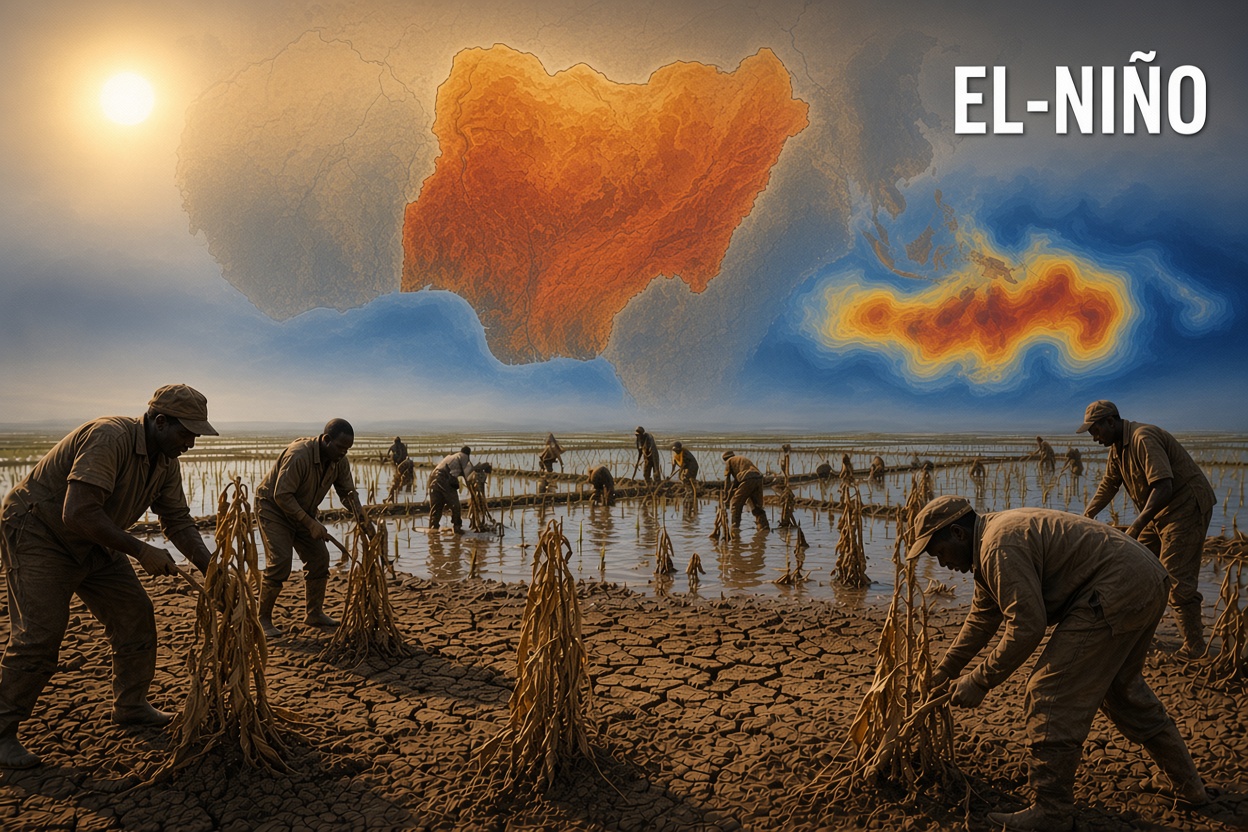
Food insecurity does not begin and end at the dinner table. Sometimes, its roots can be traced to the fields where food is grown, the weather that shapes harvests and the systems responsible for moving food from farms to households.
The developing El Niño event has raised concerns about changing weather patterns and their potential effects on agriculture and livelihoods. The World Meteorological Organization expects the event to strengthen into late 2026 and persist into early 2027, increasing the risk of unusual rainfall patterns and extreme temperatures in different parts of the world. In regions where weather conditions disrupt agricultural production, vulnerable communities may face additional food-security pressures.
For families already struggling to afford nutritious meals, the effects can extend beyond the farm. Damaged crops, disrupted harvests and interruptions to food supply chains can contribute to price pressures, making nutritious food even harder to access.
The Lagos Food Bank Initiative has been building practical responses to food insecurity through programmes that support both immediate needs and longer-term resilience.
Through its agricultural arm, the Green Harvest Agri-Food Initiative, LFBI promotes sustainable agriculture, food recovery and household food production. Its Agricultural Recovery Program rescues surplus agricultural produce that might otherwise go to waste and redirects it to vulnerable households. By improving how available food is recovered and distributed, the programme helps address food loss while expanding access to fresh produce.
The Family Farming Program approaches the challenge from another direction. By equipping vulnerable households, particularly women and young people, with training and resources for small-scale vegetable, poultry and snail farming, it creates opportunities for families to produce food at home, improve their diets and potentially earn income from surplus produce.
These interventions cannot eliminate climate-related risks, but they offer practical ways to strengthen food access and make better use of available resources. Meanwhile, the Temporary Food Assistance Program (TEFAP) provides essential food support to households facing immediate hardship.
Each programme serves a different purpose, but together they reflect an important principle: addressing food insecurity requires both responding to hunger today and building stronger systems for tomorrow.
As climate-related risks place additional pressure on food systems, collaboration, preparedness and sustainable agricultural practices become increasingly important. The needs of vulnerable households must remain central to these efforts, particularly when families have limited resources to withstand rising costs or disruptions to their livelihoods.
Building resilient communities means helping families access food today while strengthening their ability to face tomorrow’s challenges. A more food-secure future depends not only on the food we produce, but also on how well we protect access to it when circumstances change. You can support LFBI’s work through donations, volunteering or partnerships that help recover surplus food, strengthen household food production and reach families experiencing food insecurity.