

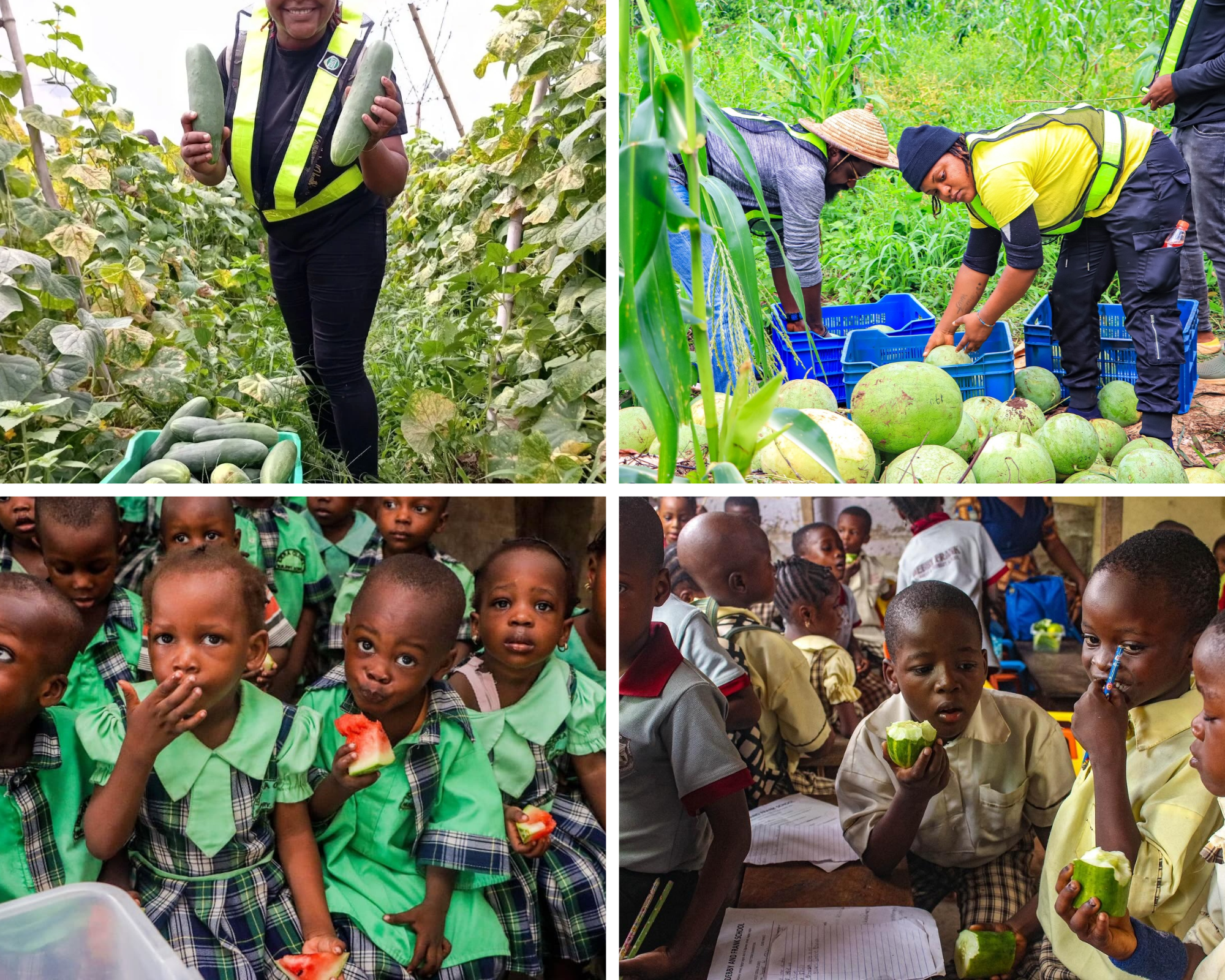
What happens when perfectly good food never reaches the people who need it? At Lagos Food Bank Initiative, the answer begins with food recovery, strategic partnerships, and a commitment to making every meal count.
Imagine a farmer harvesting fresh tomatoes, cucumbers, and fruits, only to watch some of the produce spoil before reaching the market. Meanwhile, a family nearby struggles to afford its next meal. This contrast highlights one of the most pressing challenges in our food system: food loss and waste alongside persistent food insecurity.
Reducing food waste is not just an environmental responsibility; it is an opportunity to improve nutrition, protect livelihoods, and strengthen food security. Through its programs, Lagos Food Bank Initiative (LFBI) works to bridge the gap between surplus food and communities facing hunger.
Rescuing food, nourishing communities
Through its Agricultural Recovery Program, LFBI works with farmers, food markets and other food-sector stakeholders to recover surplus agricultural produce that might otherwise go to waste. The recovered food is sorted, stored and channeled through the Food Bank’s nutrition-focused interventions to support vulnerable households, mothers, children and other at-risk groups.

The impact extends across several programs. Recovered and donated food can support TEFAP, which provides essential food assistance to vulnerable households, and EDUFOOD, which helps provide nutritious meals to food-insecure students. By connecting surplus food with communities experiencing food insecurity, LFBI helps make better use of available resources while advancing access to nutritious food.
Globally, approximately 13.2% of food is lost after harvest and before retail, while another 19% is wasted at retail, food service and household levels. Food loss and waste also account for an estimated 8–10% of global greenhouse gas emissions, according to the Food and Agriculture Organization (FAO) and UN Environment Programme (UNEP).
These figures highlight why food recovery matters: food that remains safe and suitable for consumption should have an opportunity to nourish people rather than become waste.
Partnerships that make food recovery possible
LFBI recognizes that reducing food loss and waste requires collaboration across the food supply chain. Farmers may have surplus harvests; food manufacturers may have safe products they cannot sell through regular channels; and corporate organisations may have resources, logistics or employee-volunteering opportunities that can strengthen food recovery.
By working together, these stakeholders can help redirect surplus food to people who need it, reduce avoidable waste and contribute to a more sustainable food system.
Farmers: Partner with LFBI to recover surplus fruits, vegetables and other suitable produce before it goes to waste.
Food manufacturers and distributors: Donate safe, edible surplus products and collaborate on responsible food recovery and redistribution.
Corporate organisations: Support food rescue through funding, transportation, storage, food donations and employee-volunteering initiatives.
Be part of the solution
Food loss and waste are not inevitable. With the right partnerships, surplus can become sustenance, resources can reach further, and more families can access nutritious food.
Lagos Food Bank Initiative invites farmers, food manufacturers, distributors and corporate organisations to partner with us in recovering surplus food and strengthening food security across communities.
To explore a partnership, contact partnership@lagosfoodbank.org or visit the Lagos Food Bank Initiative website.
Let us rescue more food, reduce waste and nourish more lives, because the food that almost became waste could become someone’s next meal.