

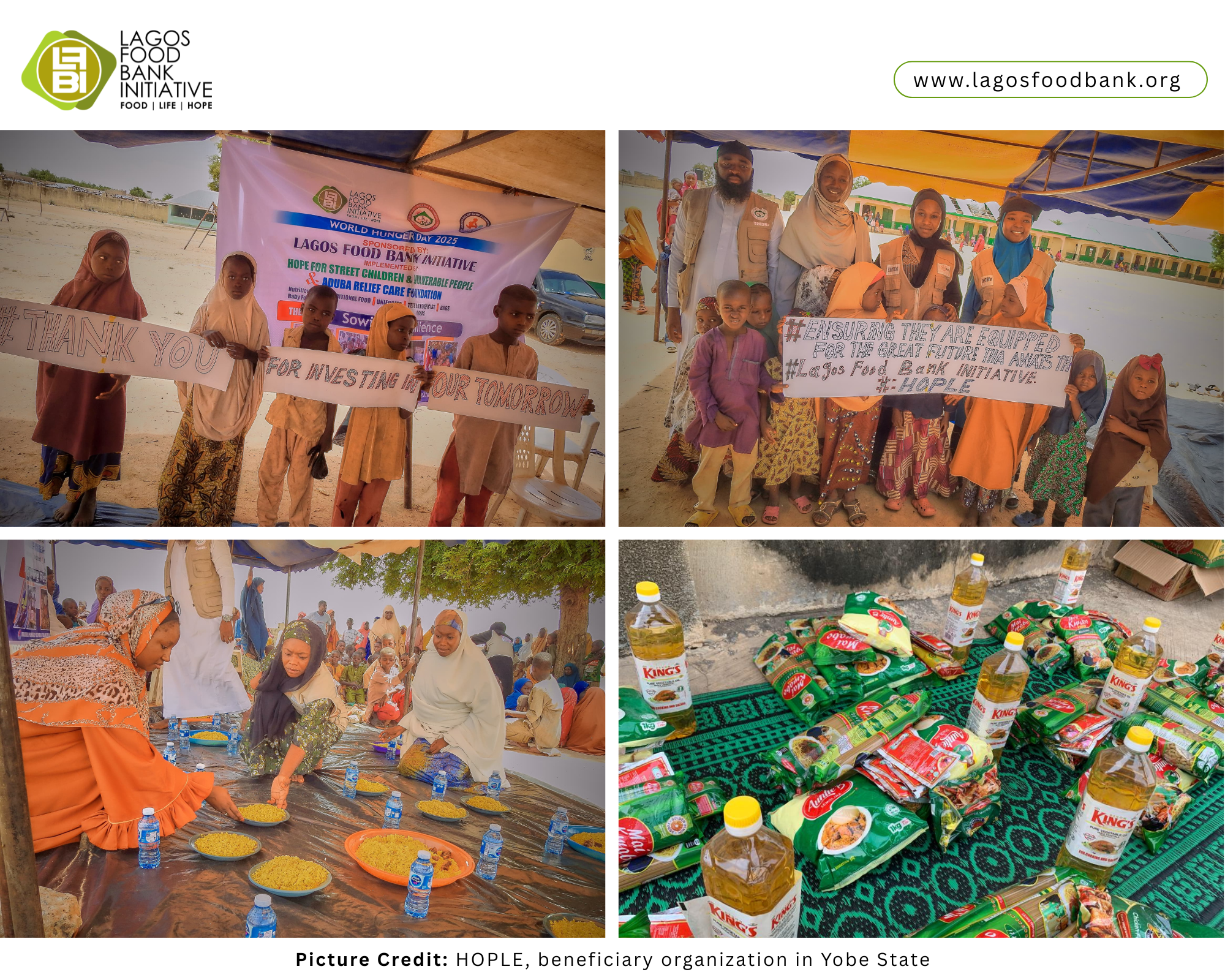
In the once-arable fields of Borno and Zamfara, the cycle of farming has been shattered.
Zainab used to wake up before dawn, her hands deep in the soil as she planted millet and maize that would feed her family through the year. Today, she sits in a crowded IDP camp in Maiduguri, her children thinner than they should be, their eyes filled with uncertainty no words can fully express.
“We left everything,” she says softly. “The bandits came at night. They burned the crops we had just harvested. My husband was lucky to escape with his life. Now we wait… and we pray for our next meal.”
As reported by the Nigeria Tribune, stories like Zainab’s are unfolding across northern Nigeria. Attacks in Borno and Zamfara have displaced thousands, destroyed farmlands, and emptied entire communities.
But these are not isolated events. They are driving a deeper food crisis nationwide. Fathers who once took pride in providing now watch their children skip meals. Mothers ration what little food remains, hoping it stretches one more day. Children miss school because hunger makes it impossible to concentrate.
The implications go far beyond these lived realities. Reduced food production, strained supply chains, and rising food prices are already affecting markets nationwide, including Lagos. When agricultural production in the North declines, the consequences are felt across the entire country.
As Nigeria’s first indigenous food bank, the Lagos Food Bank Initiative continues to support vulnerable families, seniors, and children in Lagos while also responding to national emergencies by mobilizing resources from individuals and corporate organizations, rescuing surplus food, and supporting targeted relief when needed. Through its Food Banking Nigeria Network (FBNN), the initiative has supported other non profit organizations, reaching more than 780,000 beneficiaries across Lagos and 14 other states, including support for IDP camps and conflict-affected communities.
Each intervention is designed not just to feed, but to restore stability and dignity.
A single donation can provide nutritious meals for a displaced family for days. Corporate partners can sponsor targeted relief convoys or “Adopt-a-Camp” initiatives.
Donate, volunteer, or partner with us today. Every contribution, no matter how small, carries hope across the distance and says: “You are not forgotten.”
Although we cannot end the insecurity alone, we can ensure that while solutions are pursued, no one goes to bed hungry.
(Picture Credit: HOPLE, beneficiary organization in Yobe State)