

Every year on June 7, the world observes World Food Safety Day to raise awareness about the importance of safe food in protecting health and well-being. The 2026 theme, “From Burden to Solutions – Safe Food Everywhere,” highlights the need to use science, data, and evidence-based practices to reduce foodborne illnesses and ensure safe food for all.
Food safety is a critical component of food security. It is not enough for families to have access to food, the food they receive must also be safe, nutritious, and fit for consumption. According to the World Health Organization, unsafe food remains a major global health challenge, causing hundreds of millions of illnesses every year, many of which are preventable through proper food handling, storage, and distribution practices.
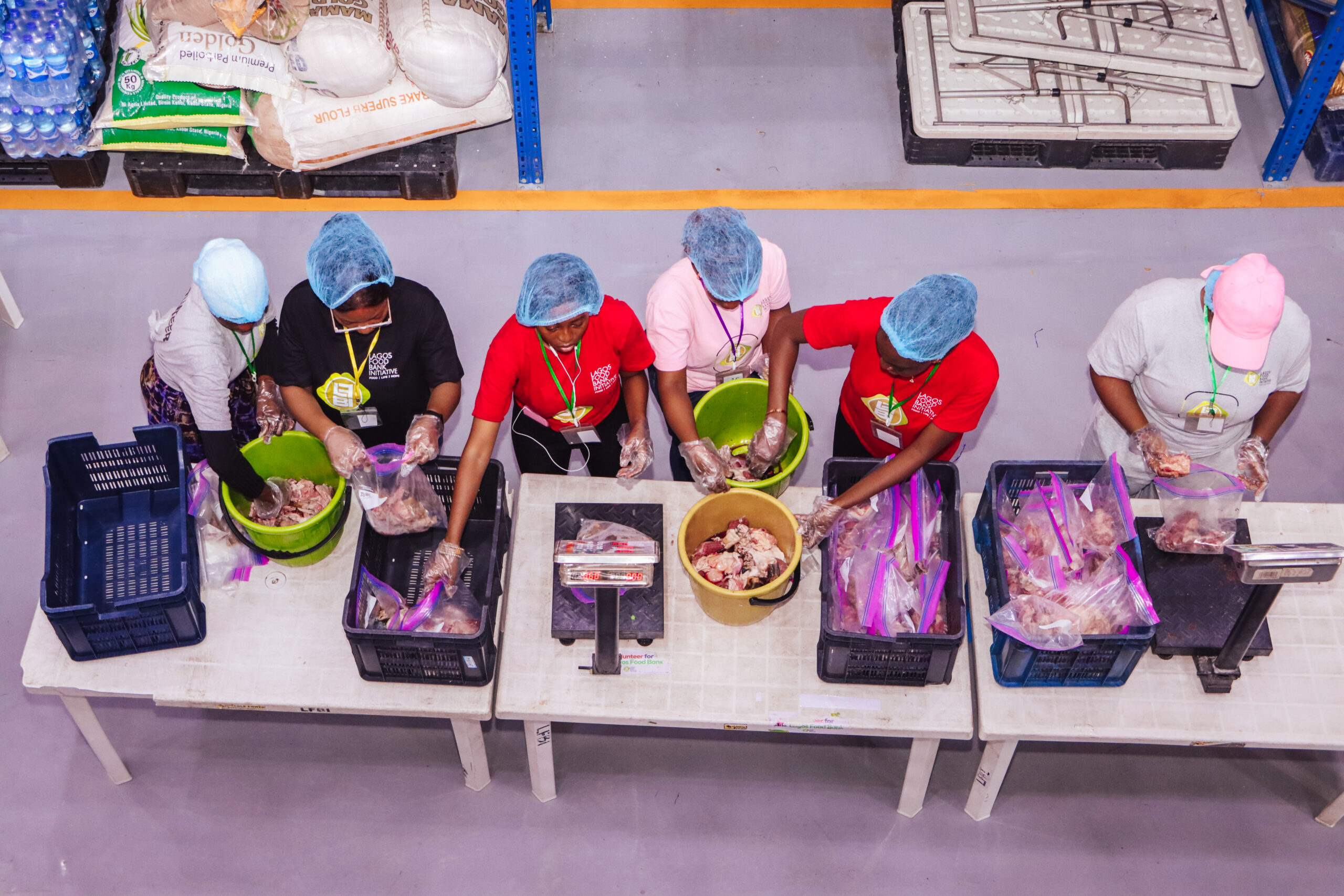
At Lagos Food Bank Initiative, food safety is a core priority across all their interventions. Through strict food handling protocols, quality control measures, proper storage systems, and careful sorting of donated and recovered food items, they work to ensure that every food box distributed to vulnerable families meet safety and quality standards.
Volunteers with the Food Bank are often sensitized on food safety practices as well, as they are directly involved in food handling, repackaging, and distribution of food items within the Food Bank warehouse and in communities. They are also encouraged to extend these practices to their various homes and communities, as everyone deserves access to safe and nutritious food.
By prioritizing food safety, LFBI not only fights hunger but also safeguard the dignity, health, and well-being of the individuals and families they serve in underserved communities.
As World Food Safety Day 2026 is observed, the Food Bank joins the global community in reaffirming their commitment and advocating that food assistance should not only be accessible but also safe, nutritious, and capable of helping communities thrive.
Remember, “if it’s not safe, then it’s not food.”