

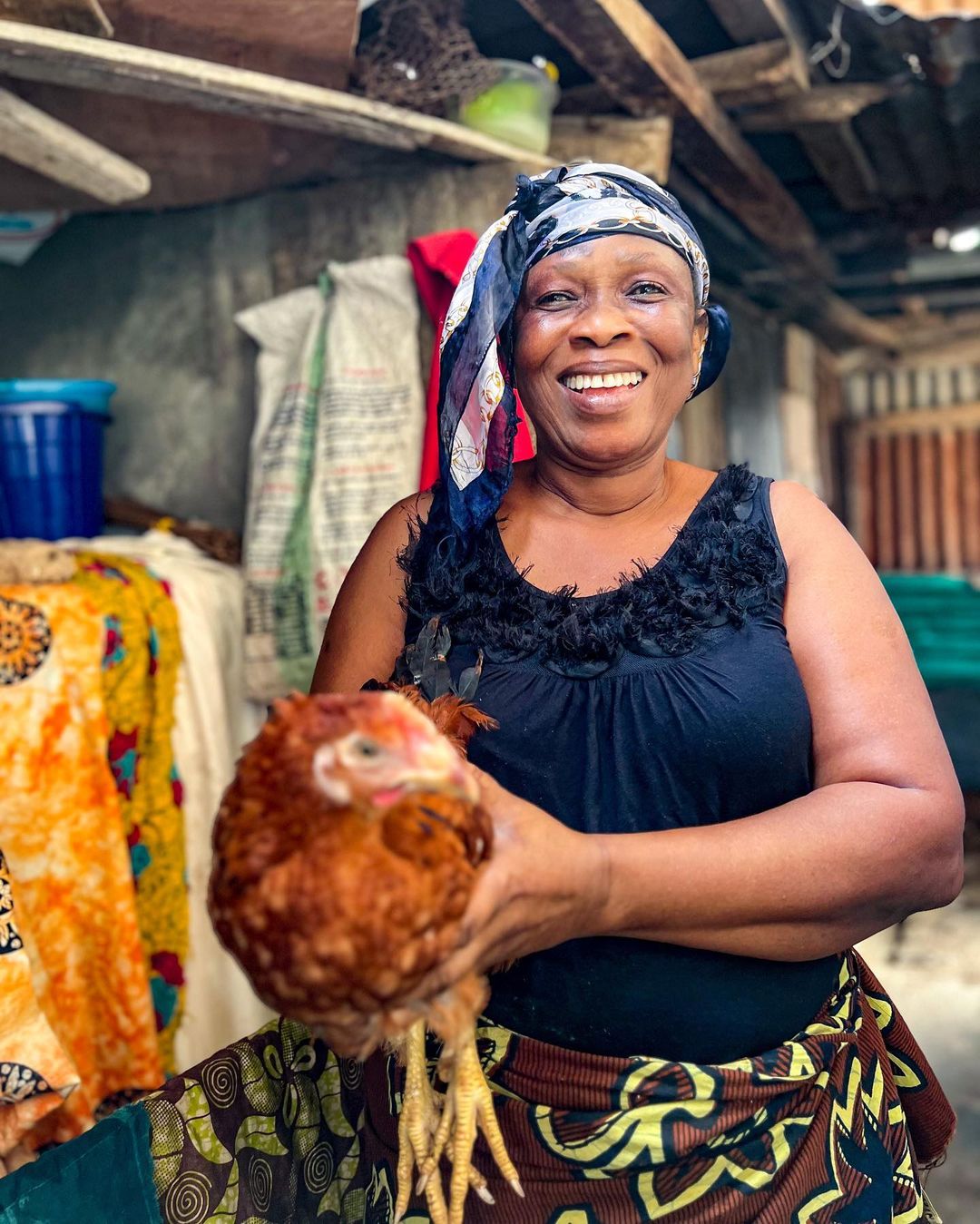
For a woman managing a household on limited resources, putting nutritious food on the table while meeting other family needs can be a daily challenge. But what if part of the solution could grow right in her backyard?
This is the opportunity the Lagos Food Bank Initiative’s Family Farming Program seeks to create for vulnerable women and households. Through practical agricultural training, resources and ongoing support, beneficiaries are equipped to establish small-scale farms where they can grow food for household consumption and explore opportunities to earn additional income.
A backyard farm may begin with a few vegetables, poultry or snails, but its potential goes beyond what it produces. It can help reduce dependence on purchased food, improve household food access and provide women with practical skills to strengthen their livelihoods.
So far in 2026, 175 beneficiaries have been empowered through the Family Farming Programme, establishing backyard farms to support their households and improve their livelihoods. Behind this figure are women putting new skills into practice, making productive use of available resources and taking steps towards greater self-reliance.
The programme also encourages beneficiaries to combine locally available resources and traditional agricultural knowledge with improved farming practices to enhance productivity and create more sustainable opportunities.
This progress is made possible through the continued support of dedicated partners, volunteers and individuals who believe in the potential of women to transform their households and communities.
Yet, the impact is best understood through the experiences of the women themselves. Their stories show what becomes possible when access to agricultural knowledge, resources and opportunity comes together.
A small farm can be the beginning of something much bigger. You can help more women take that first step by supporting the Lagos Food Bank Initiative’s Family Farming Programme through donations, volunteering or partnerships.
Together, we can help more households grow their own food, strengthen their livelihoods and build a more food-secure future.