

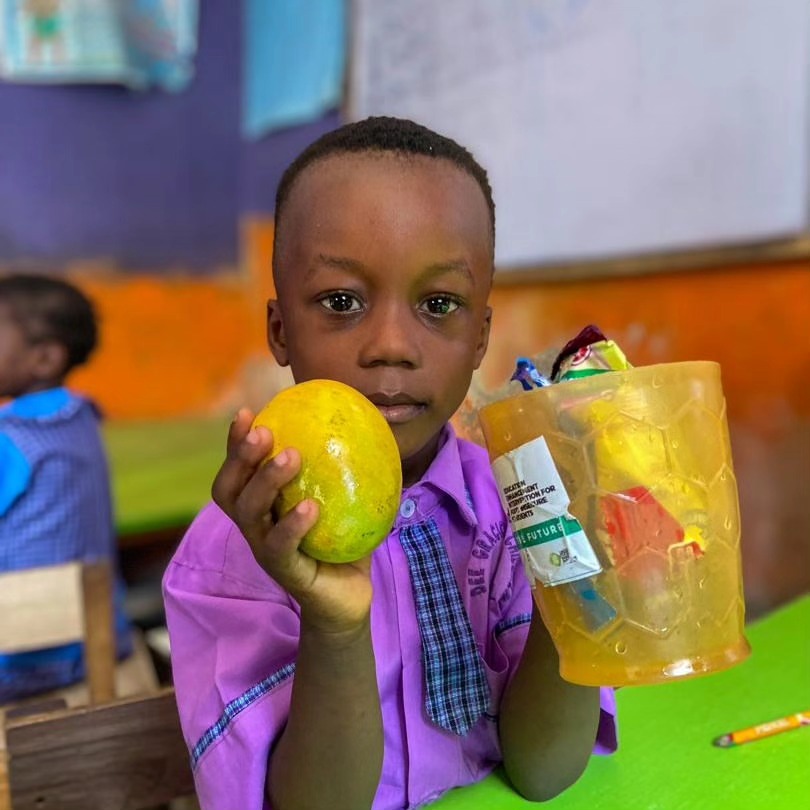
“From farm surplus to classroom nourishment.”
Every mango has a story, but some stories are more meaningful than others.
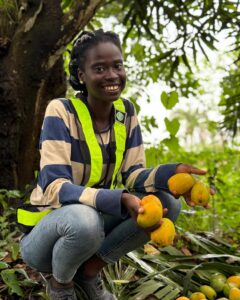
Imagine a ripe mango, freshly harvested and perfectly edible, but rejected because it is surplus produce with no immediate market. Its destination could easily have been a landfill, contributing to food waste despite having the potential to nourish someone.
But this mango had a different journey.
Through the Agricultural Recovery Program of Lagos Food Bank Initiative (LFBI), surplus and edible agricultural produce that might otherwise go to waste is recovered and redirected to people experiencing food insecurity.
Instead of ending up in a landfill, this mango found its way into the hands of a food-insecure student through LFBI’s Education Enhancement Intervention for Food Insecure Students (EDUFOOD).


For the student, it was more than just a piece of fruit. It was an opportunity to enjoy something nutritious, support their wellbeing and receive nourishment that could help them stay focused and engaged in the classroom.
This is the power of connecting food recovery with food assistance. What begins as an effort to prevent food loss becomes an opportunity to nourish a child and support their learning.
Through Agricultural Recovery and EDUFOOD, LFBI is demonstrating that food waste and hunger can be addressed together. By rescuing edible produce and redirecting it to vulnerable communities and schoolchildren, we are giving surplus food a second chance and ensuring that more children have access to the nutrition they need.
That mango was never waste. It was a meal waiting to happen, a child waiting to be nourished and an opportunity to make a difference.
At Lagos Food Bank Initiative, we believe that no edible food should go to waste when someone needs it, and every recovered harvest can become another opportunity to fight hunger.
From surplus to sustenance. From farms to classrooms. One community at a time.