

For a farming family, a changing climate is not just a conversation about rising temperatures or unpredictable weather. It can mean a delayed planting season, a failed harvest, fewer crops to sell, and less food available for the family table.
When extreme heat, irregular rainfall, flooding, and other climate-related challenges disrupt agricultural production, the consequences extend far beyond the farm. Food becomes harder to produce, transport, and afford. For vulnerable households, this can mean reduced access to nutritious meals and a greater risk of food insecurity and malnutrition.
This is where climate change and nutrition intersect, and where food justice becomes essential.
When climate challenges become nutrition challenges
Food justice is about ensuring that everyone, regardless of income or location, has fair access to sufficient, safe, and nutritious food. Yet, in a warming world, this becomes increasingly difficult for communities that depend on small-scale farming and have limited resources to withstand environmental shocks.
A poor harvest can reduce household income and make nutritious foods such as fruits, vegetables and protein-rich foods less affordable. Families may be forced to rely on cheaper, less diverse meals, while children and vulnerable mothers face greater nutritional risks.
The burden is not shared equally. Low-income households, smallholder farmers, women and children are often among those most exposed to the consequences of climate-related food disruptions, despite contributing relatively little to the problem.
Addressing hunger, therefore, requires more than increasing food production. It requires building food systems that are resilient, inclusive, and capable of nourishing people while protecting the environment.
Turning food recovery into climate action
At Lagos Food Bank Initiative (LFBI), the connection between food security, nutrition, and environmental sustainability is reflected in programs designed to address hunger while making better use of available resources.
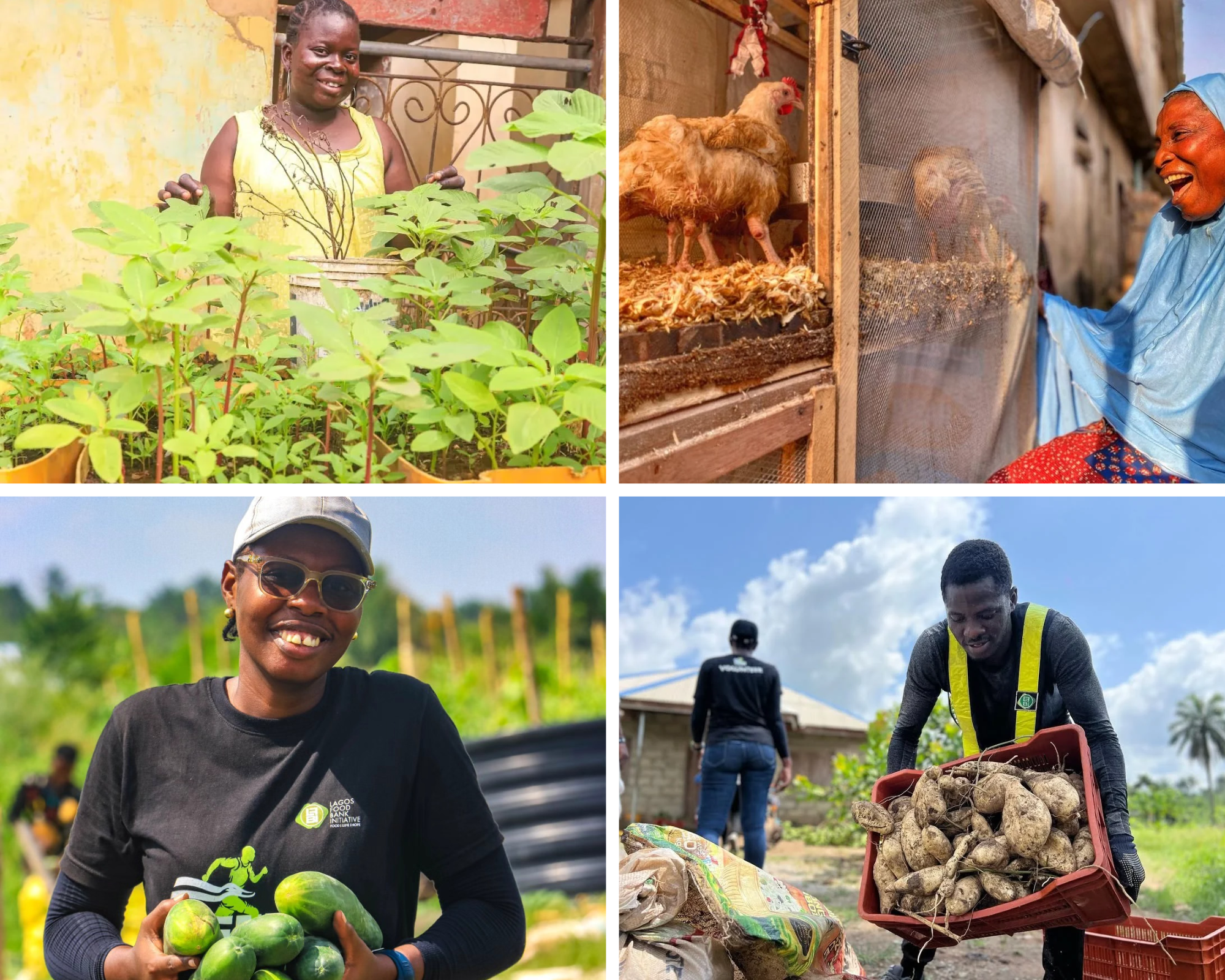
Through its Agricultural Recovery Program, LFBI rescues surplus agricultural produce that might otherwise go to waste and redirects suitable food to people and communities experiencing food insecurity. This helps reduce avoidable food waste while improving access to nutritious food.
Its Family Farming initiative also supports vulnerable households, particularly women and youth, with agricultural knowledge and opportunities to grow food (chicken, snails, and vegetables), strengthen household food access, and build more sustainable livelihoods.
Through programs such as TEFAP, EDUFOOD, and NUMEPLAN, recovered food and other nutrition-focused interventions help support households, seniors, schoolchildren, mothers and malnourished young children who need consistent access to nutritious meals.
These efforts demonstrate an important principle: tackling food insecurity and protecting the environment should not be treated as separate priorities.
Building a fairer and more resilient food future
The climate-nutrition connection calls for collective action. Farmers need access to climate-smart agricultural knowledge, practices, and appropriate resources. Businesses can support responsible sourcing, reduce food waste, and donate safe surplus food. Governments and development organizations must strengthen food systems and ensure vulnerable communities are not left behind.
Every rescued harvest, supported farmer, and nutritious meal contributes to a broader effort to build a food system that serves both people and the planet.
A warming world should not mean hungrier communities. Food justice means ensuring that climate challenges do not determine who gets to eat well and who is left behind.
At Lagos Food Bank Initiative, they believe that sustainable food security begins with collective responsibility. By supporting food recovery, nutrition interventions, and community-based agriculture, we can help build a future where people and the planet thrive together.
Because a healthier planet should also mean healthier people, one community at a time.