

In the early morning of Ajegunle, 17-year-old pregnant Fatima wakes up with an empty stomach. She reaches for a small bowl of garri mixed with salt. Sometimes that is all there is. As she carries her growing baby, she moves slowly through the crowded streets, trying not to exert the little energy she’s got. Like many young mothers in Lagos, she focuses only on getting by the day. What she may not fully see is how every missed nutrient right now is slowly shaping the tiny life inside her.
A child’s brain develops at lightning speed during pregnancy. The foundation for learning, memory, focus, and emotional health is being built with every meal or the lack of it. This is the power of the first 1,000 days. It is the period from pregnancy through a child’s second birthday. It is the most critical window for lifelong development. When nutrition falls short, the consequences can last a lifetime.
For too long, many believed severe malnutrition belonged only to distant rural villages. But in Lagos, it hides in plain sight. In communities like Makoko, Bariga, and Ajegunle, hardworking families live just kilometres from bustling commercial centres and luxury homes. Yet, rising rent, transport fares, and food prices force difficult choices. Eggs, fish, vegetables, and fruits become luxuries. Meals shrink to garri, rice, or noodles that fill the stomach but leave the body and brain undernourished.
The results are visible yet often overlooked. Across Nigeria, nearly one in three children under five is stunted. In urban Lagos, thousands of children carry this invisible burden. They struggle to concentrate in school. They fall ill more often. They face reduced opportunities as adults. Stunting does not just affect height. It limits potential. It weakens futures. It quietly passes the same struggles to the next generation.
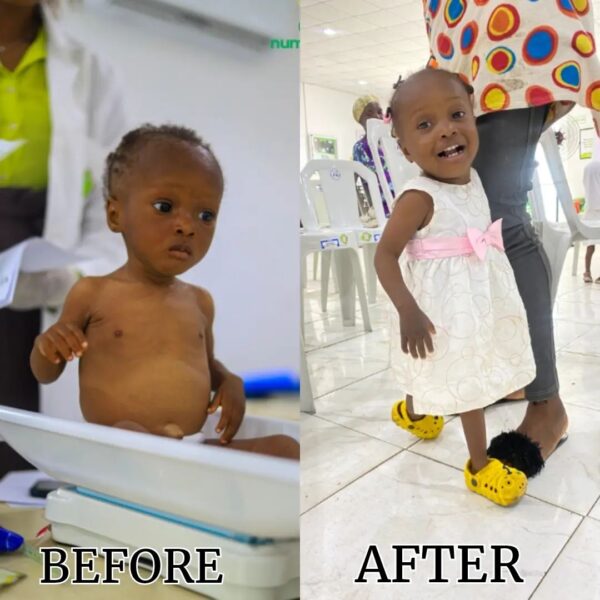
Fatima’s story could have followed this path. But through the Lagos Food Bank Initiative’s Nutritious Meal Plan Intervention for Vulnerable Mothers and Children known as NUMEPLAN, her reality began to change. Working with Primary Health Centres, NUMEPLAN identified her early. She now receives regular nutrient-rich food packs, supplements, and health monitoring. More importantly, she has learned how to prepare balanced meals using affordable local ingredients like beans, vegetables, and crayfish. For the first time, she speaks with pride about feeling stronger and watching her baby grow healthier during check-ups.
Since 2019, NUMEPLAN has supported over 1,500 mothers and children like Fatima. Each case represents more than food. It represents restored dignity, healthier pregnancies, and children given a real chance to thrive. Yet the need remains vast. Millions of families across Lagos still face food insecurity. No single organisation can solve it alone.
Through continued partnerships, support, and collective action, more mothers and children can be reached during the first 1,000 days, when it matters most.
You can help today: Donate now, volunteer and partner to reach more families in need.