

One family’s struggle with hunger may begin at home, but ending hunger requires an entire community to act.
At the end of a long day, a mother returns home wondering how she will provide the next meal for her children. A farmer watches good produce go to waste because there is no reliable way to store or transport it. A schoolchild struggles to concentrate in class because hunger has become an unwelcome companion.
These are different stories, but they share one reality: hunger is not simply a problem of food scarcity. It is also a challenge of access, distribution, poverty, and opportunity.
And no single person, organization or government can solve it alone.
Ending hunger requires a nation working together; one household, one community and one shared commitment at a time.
When Small Actions Become A National Movement
Imagine what could happen if farmers redirected surplus produce instead of discarding it, businesses donated safe and edible food, governments strengthened food systems, and volunteers helped ensure that nutritious food reached vulnerable households.
Imagine schools, community organizations, food banks and private companies combining their resources to support children, empower families and improve access to nutritious meals.
Individually, these actions might appear modest. Together, they could help transform how a nation responds to hunger.
Collective action turns isolated efforts into a connected response. It allows resources to reach further, communities to participate in solutions, and interventions to address both immediate needs and the underlying causes of food insecurity.
This is why the fight against hunger must extend beyond distributing food. It must include building resilient food systems, reducing food waste, supporting local agriculture, improving nutrition and creating opportunities for households to become more self-reliant.
The Lagos Food Bank Initiative: Turning Collective Action into Lasting Impact
At Lagos Food Bank Initiative (LFBI), collective action is at the heart of the response to hunger and malnutrition.
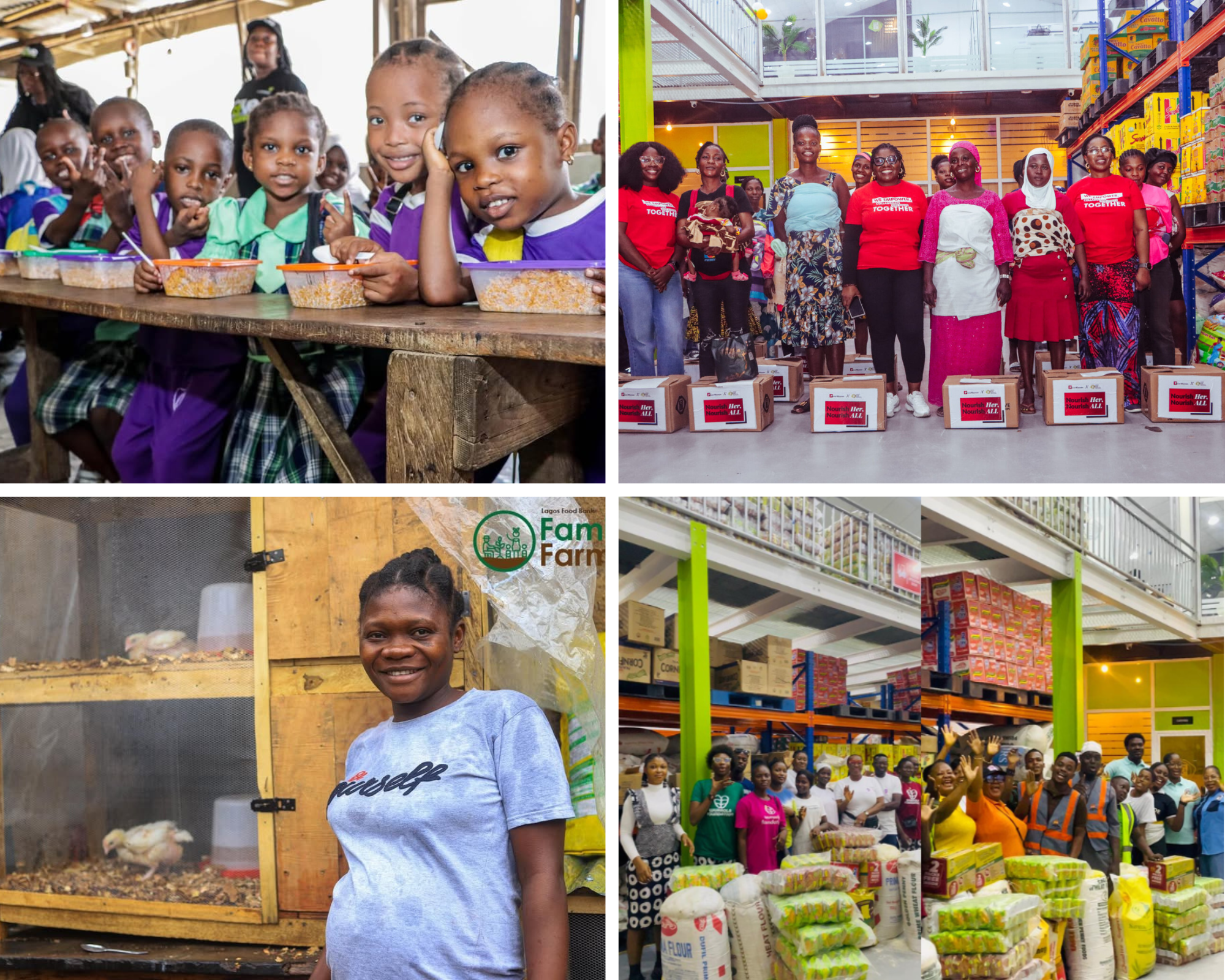
Since its establishment in 2016, LFBI has reached more than 3.5 million individuals and families across 170 communities in 15 states, bringing together volunteers, donors, corporate and individual partners, farmers, and nonprofit organizations to address hunger and its underlying Through the Temporary Food Assistance Program (TEFAP), vulnerable households causes receive essential food support.

NUMEPLAN, the Nutritious Meal Plan Intervention for Vulnerable Mothers and Children, provides nutrition assistance and counselling to vulnerable mothers and children, while the Education Enhancement for Food Insecure Students (EDUFOOD) supports students through school meals. Meanwhile, Family Farming promotes household food production and livelihoods, and Agricultural Recovery helps redirect surplus produce towards communities that need it.
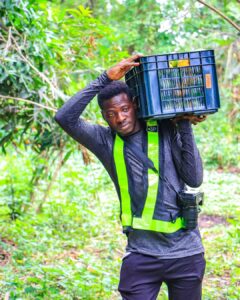
Behind these interventions are volunteers who sort, pack and distribute food, alongside partners who contribute resources, expertise and opportunities to reach more people. Through the Food Bank Network Nigeria (FBNN), LFBI also works with credible grassroots organizations to extend food assistance beyond its direct reach.
Each contribution matters. A food donation can help feed a family. A volunteer’s time can help prepare supplies for distribution. A corporate partnership can strengthen an intervention, while a farmer’s surplus produce can become a nutritious meal instead of going to waste.
Yet, ending hunger requires more than humanitarian assistance. It calls for policies that strengthen agriculture, investment in food storage and transportation, responsible food recovery, nutrition education and economic opportunities that help families build resilience.
Everyone Has A Role To Play
Governments must create enabling policies and strengthen food systems. Businesses can support food donations, responsible sourcing and community interventions. Farmers can adopt sustainable practices, while individuals can reduce food waste, volunteer and support credible organizations working to improve food security.
Communities must also be recognized as active participants in solutions, not simply recipients of assistance. When people have the resources, knowledge and opportunities to improve their circumstances, the impact of collective action becomes more sustainable.
Mobilizing a nation to end hunger begins when we stop seeing food insecurity as someone else’s problem and start recognizing it as a shared responsibility.
At LFBI, the mission remains clear: to champion sustainable food security, nutrition and empowerment, ensuring that more families can access nutritious food and build better futures.
Because no single organization can end hunger alone. But when individuals, businesses, governments, farmers, and communities work together, their combined efforts can move a nation closer to a future where no one is left behind.
The call to action is simple: give what you can, serve where you can, and partner wherever possible. Together, collective compassion can be turned into lasting change; one community at a time.