

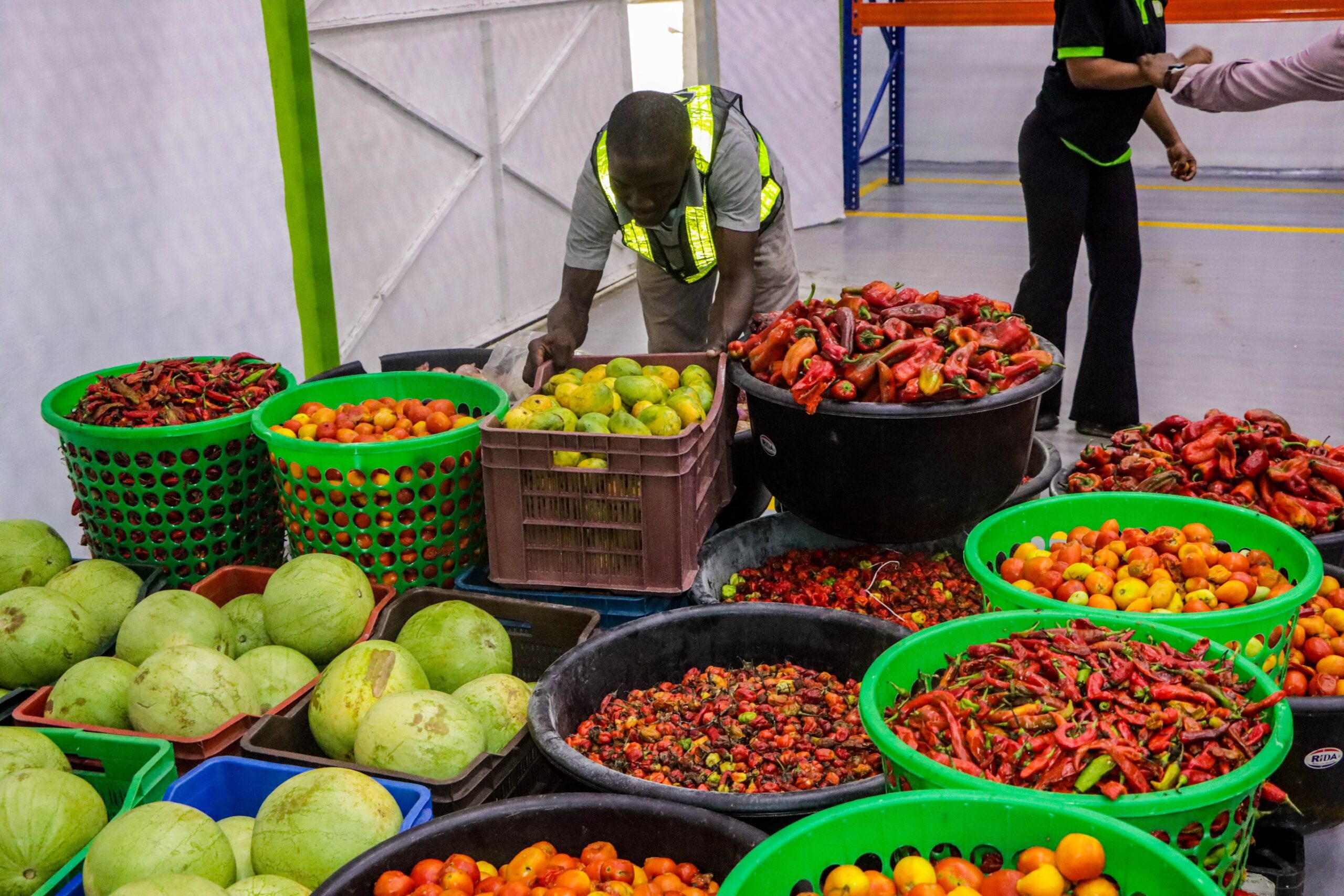
A tomato can travel a long way before it reaches a plate.
It is planted, nurtured, harvested and carefully packed, only to spoil before it reaches the market. Sometimes it makes it to the market but never finds a buyer. Sometimes perfectly good food makes it all the way to a restaurant, only to be discarded at the end of the day.
By the time it reaches the bin, the food may be gone, but the story does not end there.
For millions of families struggling to put food on the table, every portion lost along the food chain represents nourishment that could have reached someone who needed it.
This is why reducing food loss and waste is about more than preventing waste. It is about making better use of the food we already have.
The 2026 International Day of Awareness of Food Loss and Waste, themed “The Transformative Potential of Reducing Food Loss and Waste,” draws attention to the opportunities that exist across the food system.
At the Lagos Food Bank Initiative, this work takes different forms.
Through the Agricultural Recovery program, LFBI works with farmers to recover surplus produce that may otherwise be lost after harvest and redirect it to vulnerable households. The approach helps ensure that food that has already been grown and harvested can still fulfil its purpose: feeding people.
At the other end of the food chain, Virtual Food Banking helps capture smaller, everyday surpluses. Restaurants, food vendors and logistics companies can alert LFBI when prepared meals or unclaimed orders are available. Nearby volunteers then pick up the food and redistribute it to people who need it.
Since the beginning of 2026, the initiative has rescued and redistributed 111,682 kg of food, reaching hundreds of individuals.
These efforts point to an important reality: the challenge is not always that food does not exist. Sometimes, food exists but does not make it to the people who need it.
A tomato lost after harvest. A meal left over at closing time. An unclaimed food order that has nowhere to go.
Each one is an opportunity to do things differently.
Because when food is recovered instead of wasted, its value extends beyond the farm, the kitchen or the marketplace. It can become a meal, support a household and help close the gap between surplus and need.
This International Day of Awareness of Food Loss and Waste, the call is simple: let more of the food we produce make it to a plate.
Partner with LFBI, support food recovery efforts or join the volunteer network to help turn surplus into nourishment.