

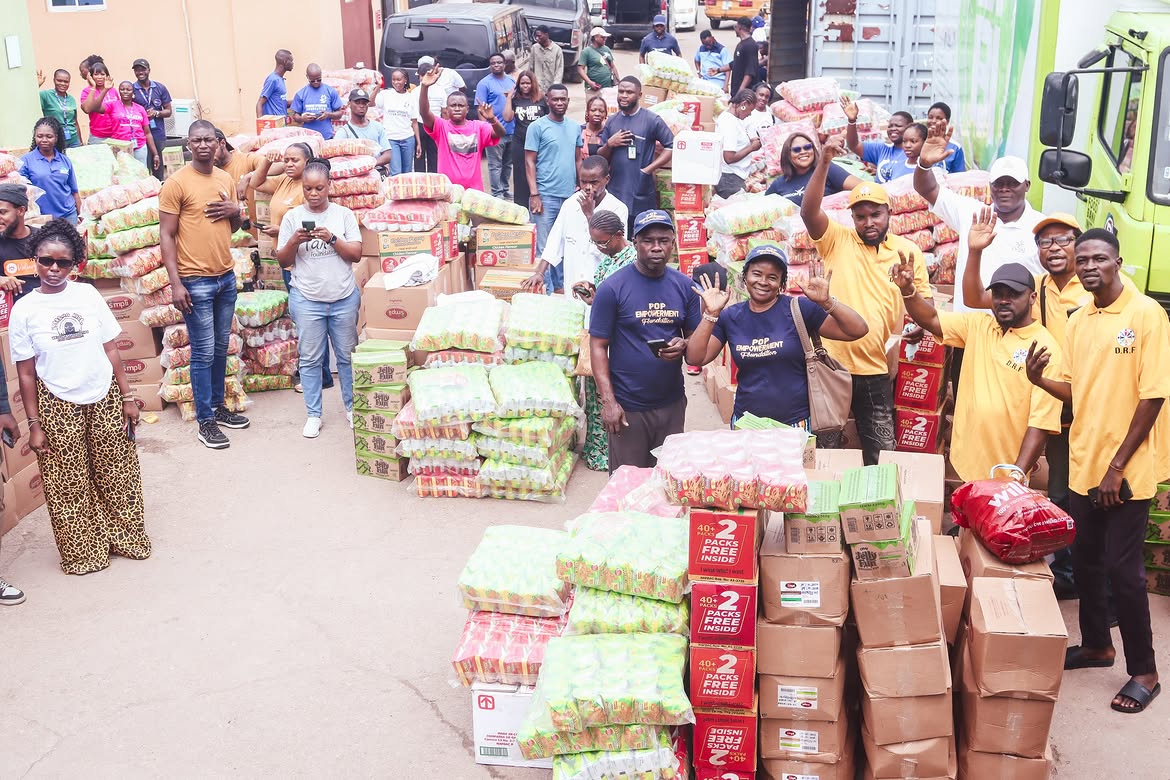
Nigeria’s food system is central to the health, livelihoods and wellbeing of its people. Yet millions of households continue to face food insecurity, while food loss, poverty, climate pressures, rising food prices and gaps across agricultural value chains make access to nutritious food increasingly challenging.
Strengthening the food system therefore requires more than increasing food production. It requires reducing food loss, improving access to nutritious food, supporting vulnerable households and building resilient livelihoods. This is where food banks and non-governmental organisations (NGOs) can play an important role in ensuring a sustainable food system in Nigeria.
Food banks help bridge a critical gap within the food system by recovering safe surplus food and redistributing it to people experiencing food insecurity. Rather than allowing edible food to go to waste, food banks can connect farmers, food businesses, retailers and donors with communities that need support.
In Nigeria, this approach can also help address the contradiction of food loss and food insecurity existing side by side. Food rescue and redistribution do not replace the need for long-term food-system reforms, but they provide an immediate and practical response while strengthening collaboration across the food value chain.
NGOs and community-based organisations are often closely connected to vulnerable communities. Their local knowledge enables them to identify needs, mobilise support and deliver interventions where they can have meaningful impact.
The Lagos Food Bank Initiative (LFBI) demonstrates how this can work through an integrated approach to food security. Beyond providing food relief through programs such as the Temporary Food Assistance Program (TEFAP), LFBI supports vulnerable mothers and children through the Nutritious Meal Plan Intervention for Vulnerable Mothers and Children (NUMEPLAN), provides school meals to food insecure young students through the Education Enhancement Intervention for Food Insecure Students (EDUFOOD), and promotes agricultural and livelihood interventions through programs like Agricultural Recovery and Family Farming.
This combination is important because sustainable food security requires addressing both immediate hunger and the underlying vulnerabilities that make households susceptible to food insecurity.
Topping LFBI’s effort in addressing food insecurity and malnutrition affecting classes of vulnerable individuals in underserved communities is their Food Bank Network Nigeria (FBNN), an initiative that unites credible nonprofits across the country with a single mission; reduce hunger to the nearest minimum. Through this network, LFBI has been able to impact vulnerable communities in 14 other states across all regions, and is actively growing the network which already has over 500 registered beneficiary organizations, to ensure the narrative of food insecurity in the society changes in the near future.
Food banks and NGOs cannot solve Nigeria’s food-security challenges alone. Stronger food systems require collaboration among government, farmers, private-sector organisations, development partners, food businesses, food banks, NGOs and communities.
Investment in climate-resilient agriculture, storage and transportation, local food production, nutrition education, livelihood opportunities and food-loss reduction can help create a system that is better equipped to withstand economic and environmental shocks.
Ultimately, strengthening Nigeria’s food systems means ensuring that food is produced sustainably, preserved effectively, distributed efficiently and accessible to the people who need it most.
Food banks and NGOs are an important part of this equation, not only by responding when hunger occurs, but by helping build stronger communities capable of becoming more resilient over time.
A stronger food system means more than more food. It means a Nigeria where every household has a fairer opportunity to access nutritious food and build a secure future.