

Food insecurity is a complex challenge that cannot be solved by one sector alone. As economic pressures, climate change, and rising food costs continue to affect vulnerable populations, collaboration between governments, businesses, and nonprofit organizations has become essential to creating lasting solutions. Public-private partnerships (PPPs) provide a powerful model for combining resources, expertise, and innovation to improve food security and strengthen community resilience.
By leveraging the strengths of each partner, these collaborations can expand access to nutritious food, support sustainable agriculture, improve nutrition education, and enhance emergency food assistance. Governments provide policy support and an enabling environment, private sector organizations contribute funding, technical expertise, employee volunteerism, and innovation, while nonprofit organizations ensure that interventions reach the people and communities that need them most.
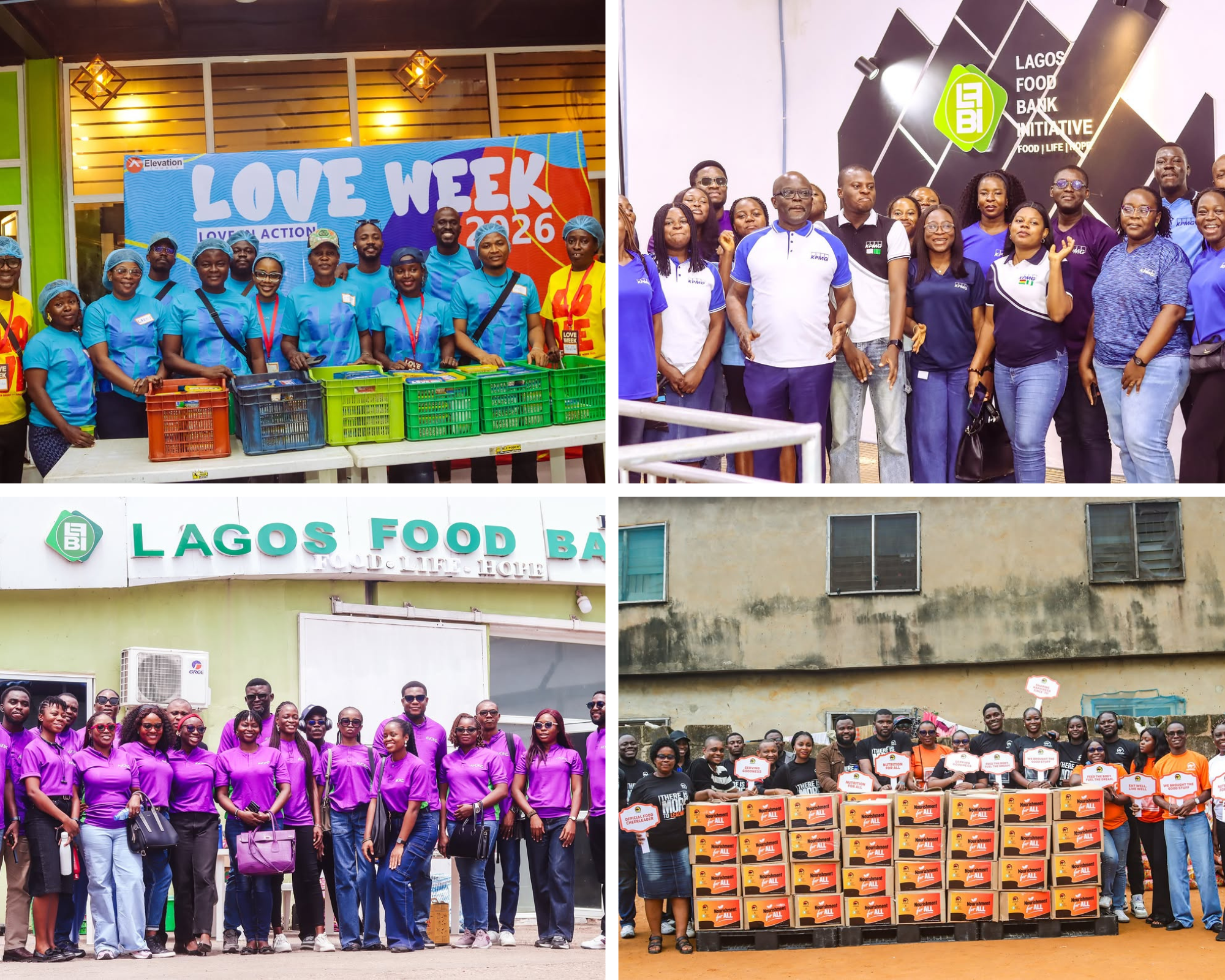
At the Lagos Food Bank Initiative (LFBI), partnerships have been central to advancing food security across underserved communities. Through collaborations with corporate organizations, development partners, foundations, and community stakeholders, LFBI has expanded the reach of programs such as the Temporary Food Assistance Program (TEFAP), Education Enhancement for Food Insecure Students (EDUFOOD), Family Farming, and the Nutritious Meal Plan Intervention for Vulnerable Mothers and Children (NUMEPLAN). These partnerships have helped provide nutritious food to vulnerable households, support school feeding initiatives, empower households to grow their own food, improve maternal and child nutrition, and respond to the growing challenge of hunger.
Beyond financial support, many corporate partners actively engage their employees in volunteer activities, enabling them to participate in food sorting, packaging, and distribution. This hands-on involvement strengthens community engagement while fostering a shared sense of responsibility for addressing food insecurity.
Sustainable partnerships also encourage innovation. By investing in food recovery, sustainable agriculture, nutrition-focused interventions, and community empowerment, public and private stakeholders can help reduce food waste, improve livelihoods, and create more resilient food systems that benefit both people and the environment.
Achieving Zero Hunger (Sustainable Development Goal 2) requires collective action. Public-private partnerships demonstrate that when organizations unite around a shared purpose, they can deliver greater impact than any single institution working alone. By building strong, long-term collaborations, we can create sustainable food systems, improve nutrition outcomes, and ensure that every individual has access to the food they need to live healthy and productive lives.