

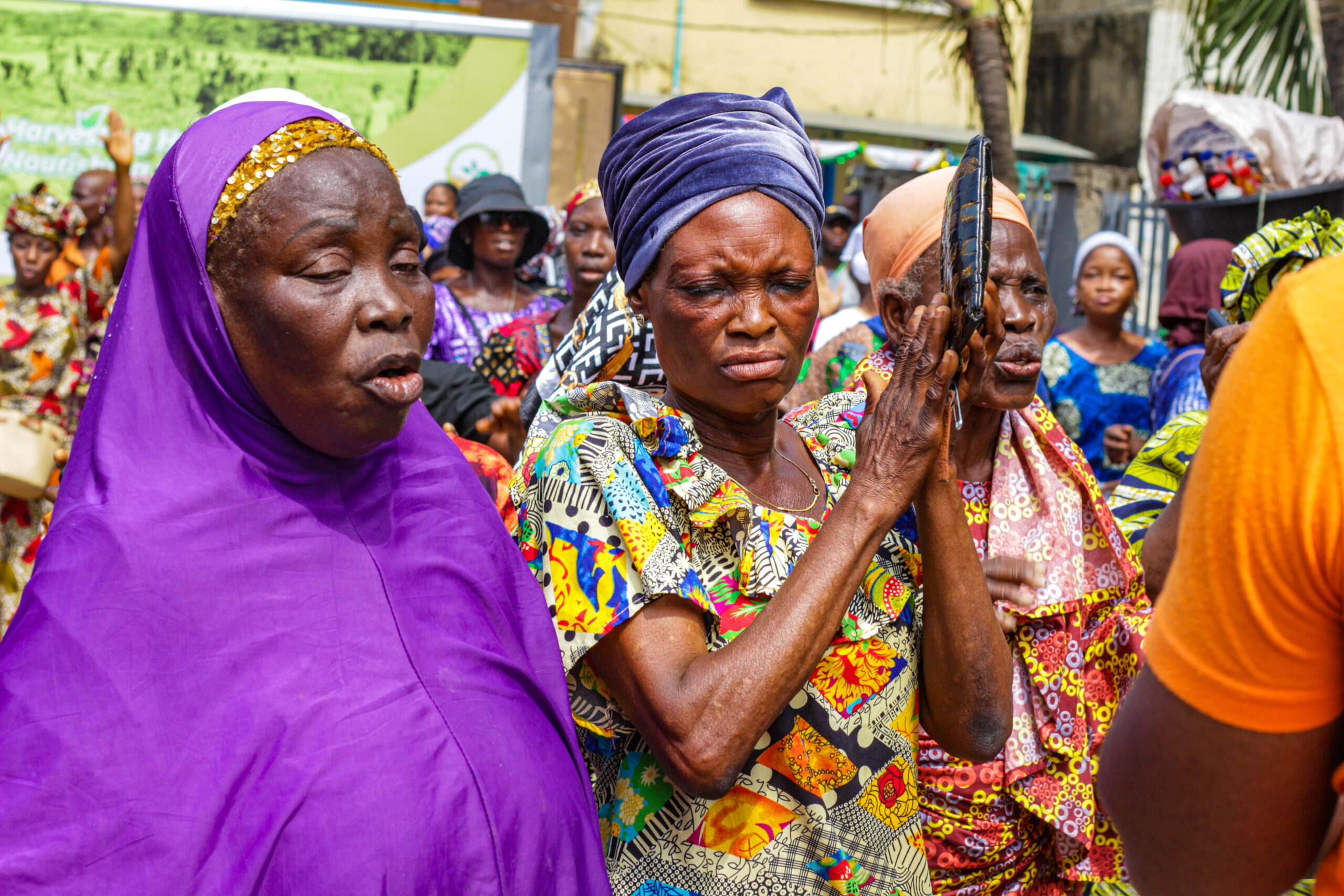
Every day, thousands of families in Lagos wake up wondering how they will put a decent meal on the table. The latest Lagos Food Bank Hunger Report 2025 brings this harsh reality into sharp focus. Conducted across selected low-income communities in Lagos State, the study reveals that approximately 72% of these households are moderately to severely food insecure. That means the majority of families we serve are regularly forced to make impossible choices: skip meals, reduce portions, borrow money, or dip into savings just to survive.
The picture that emerges is both heartbreaking and familiar. Most of these households are headed by women, often with only one or two income earners bringing home very modest earnings. Education levels are moderate; many have completed secondary school, but opportunities remain limited. Food rarely comes from their own farms or gardens; instead, families rely heavily on daily market purchases or the kindness of neighbors, churches, and organizations like the Food Bank. When money is tight, the coping strategies are stark: adults skip meals so children can eat, portions are stretched thinner, savings are exhausted, and in the worst cases, families turn to borrowing or begging.
These findings are more than data; it is a roadmap. They reflect the daily struggles we experience in our intervention programs. At Lagos Food Bank Initiative, we work to combat hunger and malnutrition through integrated community-based interventions that support vulnerable children, pregnant and breastfeeding mothers, and low-income families. By providing access to nutritious meals, improving maternal nutrition, and promoting sustainable household food production, we help strengthen health, enhance learning outcomes, and rebuild long-term food security for communities at risk.
The report also compares Lagos today with earlier studies across Nigeria. The 72% figure sits right in line with previous urban research. Urban low-income households consistently show higher vulnerability than rural ones because they have almost no buffer; no farm, no stored harvest, just daily purchases in a city where food prices rise faster than incomes.
What gives us hope is that the solutions are within reach. The Hunger Report 2025 calls for exactly what Lagos Food Bank has been doing for years: targeted urban food assistance, social protection, and initiatives that boost local food production and household resilience. Every meal we rescue and redistribute, every family we train to farm, every child we feed at school is a direct response to these findings.
We invite you to read the full Lagos Food Bank Hunger Report 2025 here: https://lagosfoodbank.org/hunger-report-2025
If you have surplus food, time to volunteer, or resources to support our programs, please reach out today. Together, we can ensure no family in Lagos has to choose between food and dignity, as your support helps us move from crisis response to lasting change.
Thank you for standing with us.