

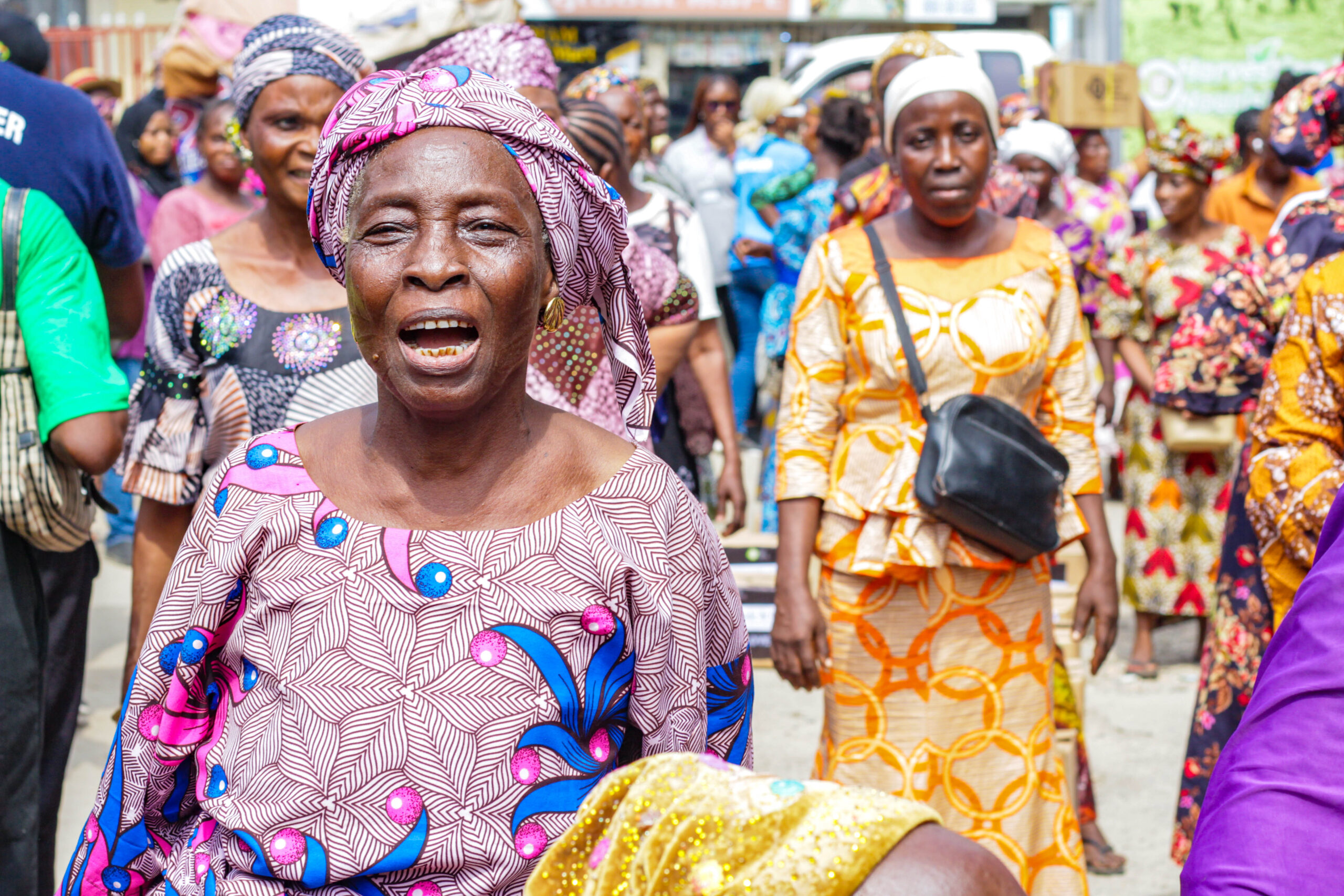
Hunger across the world is becoming more concentrated, with the most severe food crises now found in a small number of countries. As we look toward 2026, Nigeria sits at the very center of this global challenge.
Recent global food security analysis, by Action Against Hunger, identifies ten countries expected to face the most critical hunger conditions in 2026, with Nigeria ranked highest among them.
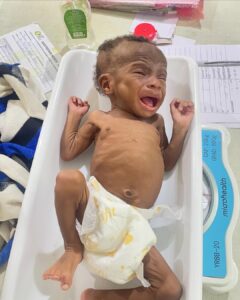

Nigeria’s Growing Hunger Challenge
According to Action Against Hunger, an estimated 31.8 million Nigerians are expected to face acute food insecurity in 2026. This means millions of households may regularly skip meals, reduce food quality, or go days without eating. Conflict in parts of the country, rising food prices, climate-related shocks, and widespread poverty continue to weaken people’s ability to feed themselves.
While other countries such as Sudan, the Democratic Republic of Congo, and Ethiopia are also facing severe hunger, Nigeria’s situation is especially concerning because of its population size and the growing number of people affected each year. Hunger in Nigeria is no longer seasonal or limited to one region; it is a daily reality for families in both urban and rural communities.
Children are among the hardest hit, as many arrive at school hungry, struggle to concentrate, or drop out entirely. Poor nutrition in early life can affect physical growth, learning ability, and long-term health.
Women, especially pregnant and breastfeeding mothers, are also at high risk. When mothers are malnourished, the effects often extend to their children, creating a cycle that is difficult to break. Hunger, in this way, does not only affect today’s wellbeing but shapes the future of entire communities.
A Worsening Funding Gap
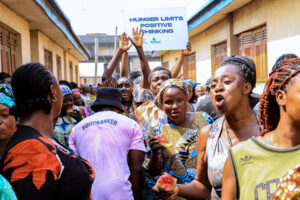
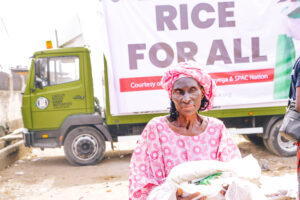
As hunger increases, funding for food and nutrition support is shrinking. Cuts to humanitarian budgets have reduced the reach of feeding programs, nutrition treatment, and community support efforts. This means fewer meals, fewer interventions, and fewer safety nets for families already struggling.
Evidence from past decades shows that timely food assistance and nutrition programs save lives. When support is reduced or delayed, the impact is felt quickly and deeply, especially by children and vulnerable households.

Why 2026 Matters
The 2026 hunger outlook is a warning. Without stronger action, today’s crisis risks becoming permanent. Solutions that support local food systems, protect children’s nutrition, reduce food waste, and strengthen community resilience can make a real difference.
In Nigeria, addressing hunger requires collaboration between government, communities, and organizations working on the ground. Practical, people-centered approaches that combine food access with nutrition education and long-term support remain essential.
At Lagos Food Bank Initiative, they see every day how access to food can restore dignity, support learning, and give families room to breathe. As Nigeria faces one of the most critical hunger situations globally, collective action remains the strongest tool.
Ending hunger will not happen overnight, but every meal provided, every child supported, and every community strengthened brings us one step closer to a zero-hunger society for all.