

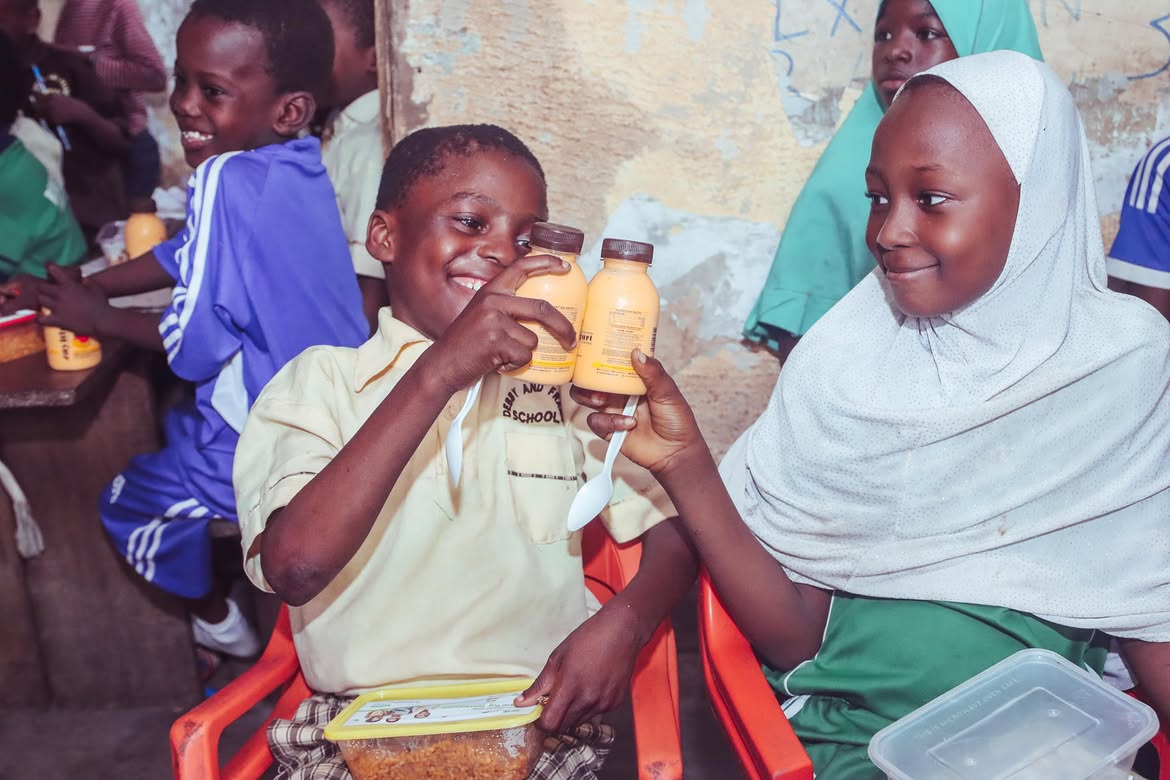
For many children in Nigeria, poverty is not simply about having less money. It can determine whether a child has access to nutritious food, healthcare, education, and the opportunity to develop to their full potential.
When household resources are limited, families struggle to consistently afford diverse and nutritious meals. Poor nutrition during childhood can affect physical growth, immunity, learning and overall development. UNICEF notes that malnutrition can have lasting consequences for children’s growth and development, particularly when nutritional needs are not met during the early years.
The relationship works both ways. Poor nutrition can make it harder for children to learn and thrive, while limited educational and economic opportunities can perpetuate poverty across generations. This creates a cycle in which children from vulnerable households in underserved communities may face multiple disadvantages at the same time.
In Nigeria, the scale of the challenge remains significant. According to the 2024 Nigeria Demographic and Health Survey (NDHS), 40% of children under five in Nigeria are stunted, 8% are wasted, and 27% are underweight, highlighting the persistent nutritional challenges facing young children across the country.
Breaking this cycle requires more than emergency and temporary food assistance. Families need access to nutritious food alongside nutrition education, healthcare, education and opportunities to strengthen their livelihoods. This is why integrated interventions are important: addressing immediate nutritional needs while helping families build greater resilience.
The Lagos Food Bank Initiative (LFBI) demonstrates this approach through programs that support vulnerable children and families. Through NUMEPLAN, vulnerable mothers and children receive nutritional support and education, while EDUFOOD provides nutritious meals to children during school hours to support their wellbeing and ability to learn. Other LFBI interventions focus on food support, reducing food loss and waste, agriculture and livelihood empowerment.
Ultimately, investing in child nutrition is an investment in Nigeria’s future. A well-nourished child has a stronger foundation for learning, development and opportunity. Breaking the connection between poverty and malnutrition therefore requires collective action from government, development organisations, communities, businesses and individuals.
Because when we nourish children today, we give them a better chance to build a healthier and more prosperous Nigeria tomorrow.