

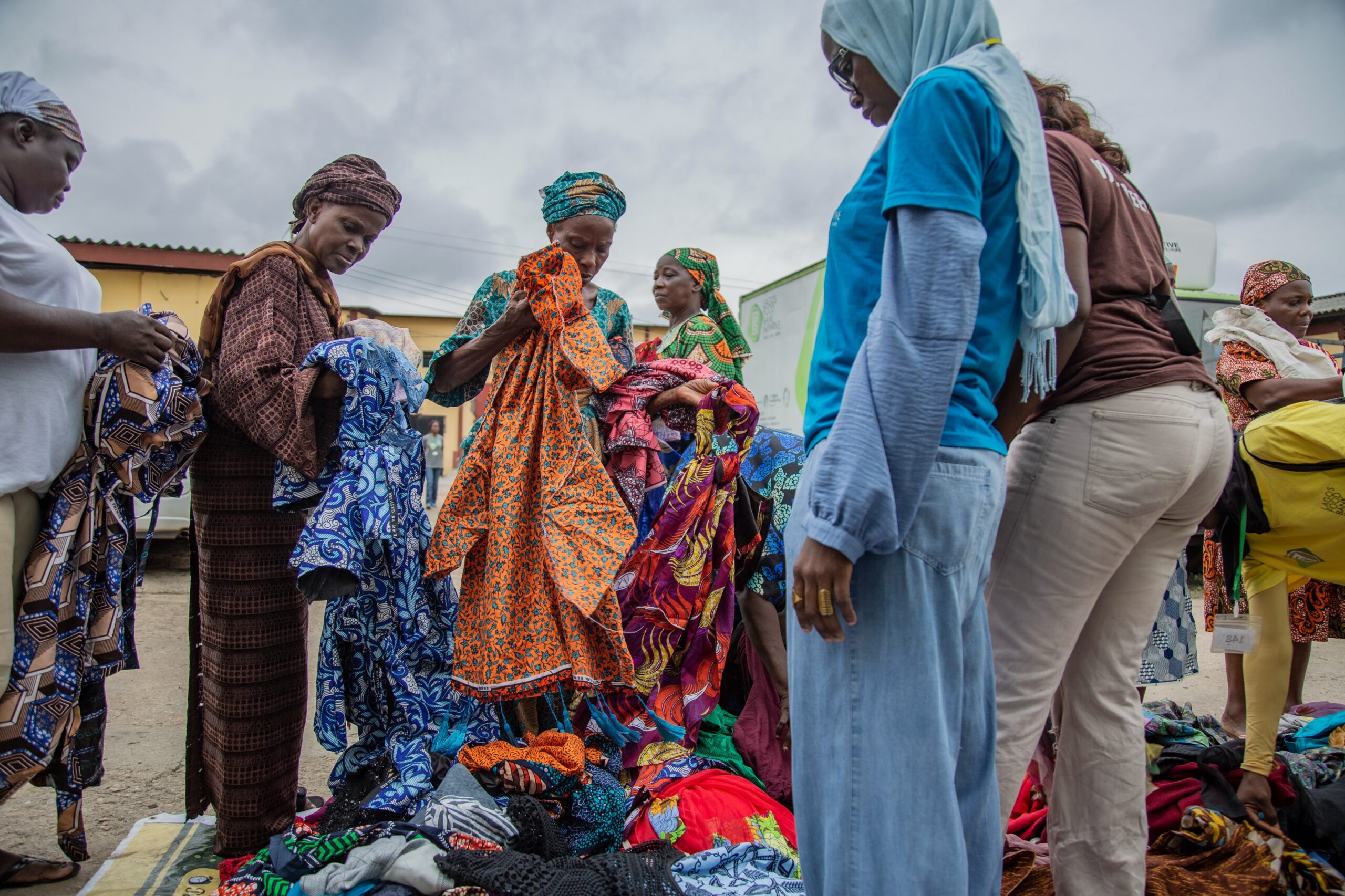
There is a shirt at the back of someone’s wardrobe that has not been worn in years. There are children’s clothes that have been outgrown, shoes that no longer fit and bags that have been replaced but are still in good condition.
For one household, they may simply be things they no longer need. For another, they could be exactly what someone needs.
This is the idea behind the Lagos Food Bank Initiative’s Cloth Banking Nigeria program, which creates a pathway for usable clothing and accessories to move from households with surplus to people and communities where they can still serve a purpose.
Clothing is often treated as a personal possession, but it is also a basic need. For families experiencing financial hardship, the cost of clothing can compete with food, healthcare, school expenses and other essentials. A donation of good-quality clothing can therefore offer more than something to wear. It can ease a household expense and provide practical support at a difficult time.
At the same time, millions of clothing items are discarded every year, many of which could still be used. Cloth Banking offers a different possibility: rather than allowing usable items to become waste, they can be collected, sorted and redirected to people who need them.
In 2025, LFBI’s Cloth Banking initiative reached 18,819 families and redistributed 5,964kg of clothing and household items, showing what can happen when items that have outlived their usefulness to one person are given an opportunity to serve another.
But the value of Cloth Banking goes beyond the numbers.
A clean shirt can help a child feel ready for school. A pair of shoes can protect someone’s feet. Clothing can help a family prepare for work, school or a new chapter without having to choose between it and another essential expense.
This is what makes redistribution powerful. It connects surplus with need and turns something that might have been discarded into something useful again.
Cloth Banking is therefore not simply about collecting clothes. It is about changing how we think about what we have, what we waste and what someone else might still need.
The next time you look through your wardrobe, remember that what you no longer need could still make a meaningful difference in someone else’s life.
Support the Lagos Food Bank Initiative’s Cloth Banking Nigeria program by donating clean, usable clothing and accessories, volunteering or partnering with us to help redirect resources to communities that need them.