

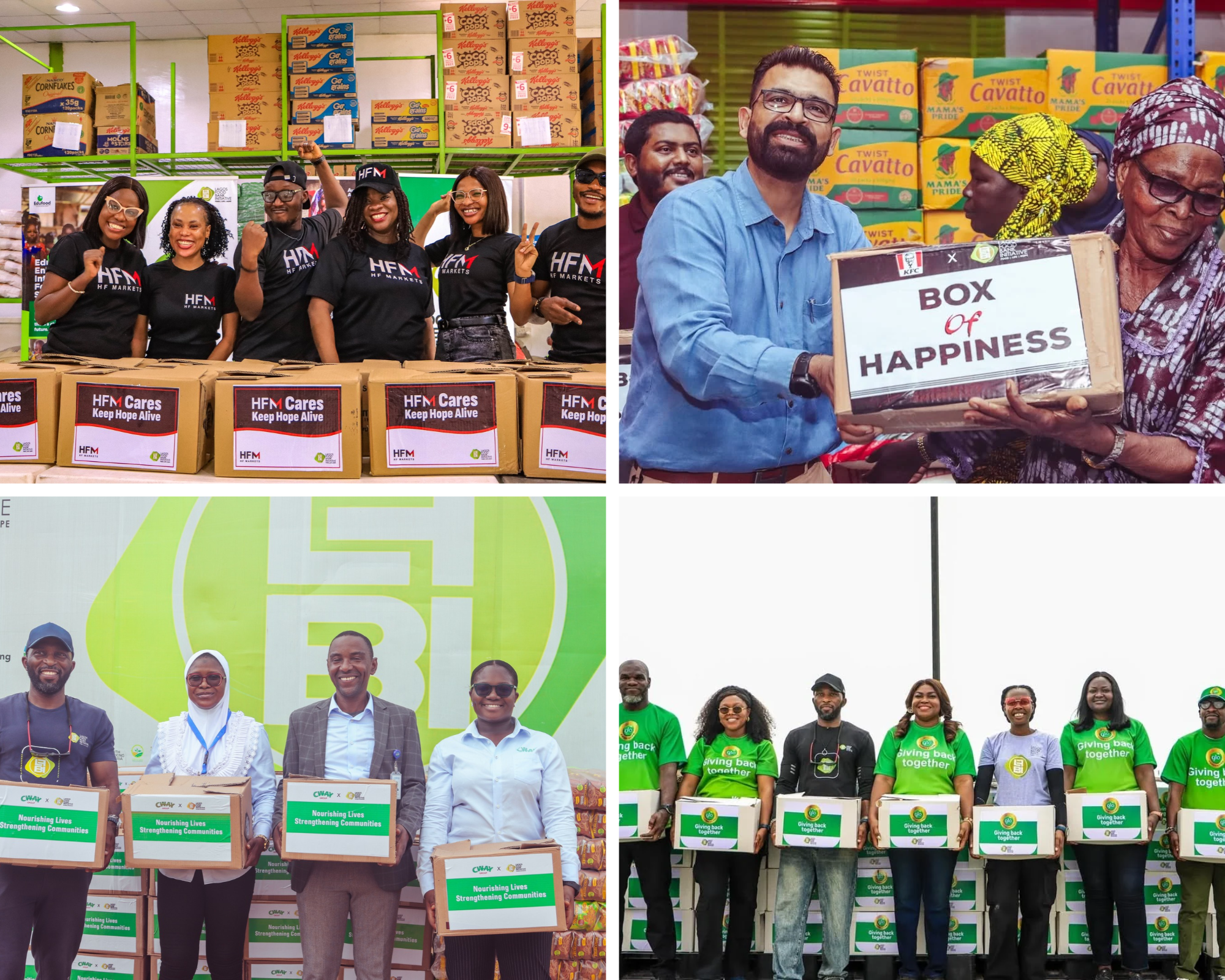
Turning corporate social responsibility into rescued food, nourished families, and stronger communities.
A farmer once harvested more tomatoes than the market could store. With limited storage and transportation options, some of the produce began to deteriorate before it could be sold. At that time, a family in a nearby underserved community was struggling to afford enough nutritious food.
One side had food it could not easily sell. The other had people who desperately needed it.
This contradiction highlights one of Nigeria’s most pressing food system challenges: food can be lost or wasted even as millions of people struggle with hunger.
According to the Global Food Donation Policy Atlas, approximately 40% of food produced in Nigeria is lost or wasted after harvest. Meanwhile, the Food and Agriculture Organization (FAO) reported that 36.3 million people were estimated to face acute food insecurity during the June–August 2026 lean season.
These figures reveal an important opportunity for businesses: corporate social responsibility (CSR) can help bridge the gap between surplus food and communities experiencing food insecurity.
Beyond donations: Making CSR improve food security
Corporate social responsibility is often associated with donations, sponsorships, and occasional community outreach. While these activities are valuable, businesses can create more sustainable impact by integrating food security and food waste reduction into their CSR strategies.
Food manufacturers, retailers, farmers, distributors, and hospitality businesses all have opportunities to contribute. Safe, edible surplus food can be recovered and redirected to people who need it rather than discarded. Companies can also provide funding, transportation, storage facilities, technical expertise, and employee volunteers to strengthen food recovery efforts.
This approach creates shared value: businesses contribute to reducing waste while helping vulnerable households access essential food supplies.
How Lagos Food Bank Initiative is turning surplus into impact
At Lagos Food Bank Initiative (LFBI), this connection between food recovery and hunger relief is reflected in the Agricultural Recovery Program.
Through this intervention, surplus agricultural produce is recovered from farmers and other food supply chain stakeholders, sorted and channeled into nutrition-focused programs. Instead of allowing suitable produce to go to waste, LFBI helps redirect it towards communities where it can make a meaningful difference.
The impact extends across several programs.
Through the Temporary Food Assistance Program (TEFAP), recovered and donated food can help provide essential food supplies to vulnerable households facing food insecurity.
Through the Education Enhancement Intervention for Food Insecure Students (EDUFOOD), suitable food donations can support nutritious school meals, helping children access the nourishment they need to participate and thrive in school.
The Nutritious Meal Plan Intervention for Vulnerable Mothers and Children (NUMEPLAN) also demonstrates why food recovery must go hand in hand with nutrition. By supporting vulnerable mothers and children with food assistance, nutrition education and monitoring, the program addresses nutritional needs during critical stages of life.
Beyond immediate food assistance, LFBI’s Family Farming Program supports vulnerable households with agricultural knowledge and opportunities to grow food, strengthen household food access and develop more sustainable livelihoods.
These interventions demonstrate that CSR can contribute to more than short-term relief. With the right partnerships, it can support a food system that recovers available resources, improves nutrition and strengthens community resilience.
What businesses can do differently
Reducing hunger and food waste requires more than goodwill. It requires deliberate, practical and sustained collaboration.
Businesses can make a difference in several ways:
- Donate safe surplus food: Food manufacturers, supermarkets, distributors and hospitality businesses can partner with food banks to recover edible surplus products and redirect them to vulnerable communities.
- Invest in food recovery infrastructure: Support transportation, cold storage, sorting and distribution systems that help preserve food quality and minimize losses.
- Sponsor nutrition-focused interventions: Fund programs that provide nutritious meals and food assistance to vulnerable households, schoolchildren, mothers and young children.
- Mobilize employees: Create employee volunteering opportunities through food sorting, packaging, distribution and community outreach activities.
- Support sustainable agriculture: Partner with community-based organizations to strengthen smallholder farming, improve food handling and support households with sustainable food production opportunities.
- Measure the impact: Track the quantity of food recovered, meals supported, households reached, communities served and the environmental benefits of reducing avoidable food waste.
From corporate responsibility to collective impact
The responsibility for tackling hunger and food waste cannot rest on food banks and humanitarian organizations alone. Businesses have resources, supply chains, expertise and networks that can help expand the reach of food recovery and nutrition interventions.
When a food manufacturer donates safe surplus products, a retailer supports food redistribution, a logistics company provides transportation or a corporate organization sponsors school feeding, each contribution becomes part of a larger solution.
At Lagos Food Bank Initiative, we believe that food that is safe and suitable for consumption should have the opportunity to nourish someone. Through partnerships with farmers, food manufacturers, distributors and corporate organizations, we can recover more food, reduce avoidable waste and support communities facing food insecurity.
Corporate social responsibility should not end with what a business gives; it should also be measured by the difference that contribution makes.
Together, we can turn surplus into sustenance, responsibility into action and partnerships into lasting impact.
Partner with Lagos Food Bank Initiative. Let’s reduce food waste, fight hunger and build a more sustainable food system, one community at a time.
For partnership enquiries: partnership@lagosfoodbank.org