

There is a moment in every food distribution when the food runs out. The boxes are empty, the volunteers are tired and the families have gone home.
Then comes the question: what happens tomorrow?
For the Lagos Food Bank Initiative, responding to hunger means meeting families where they are. But it also means asking what keeps those families vulnerable in the first place.
Food insecurity is shaped by what happens long before food reaches a family’s table. Farmers lose produce because of inadequate storage and limited markets. Food spoils during transportation. Families struggle to afford nutritious food even when markets are full. Households remain vulnerable when they have limited opportunities to produce food or earn stable incomes.
This is why LFBI’s work extends beyond temporary food assistance.
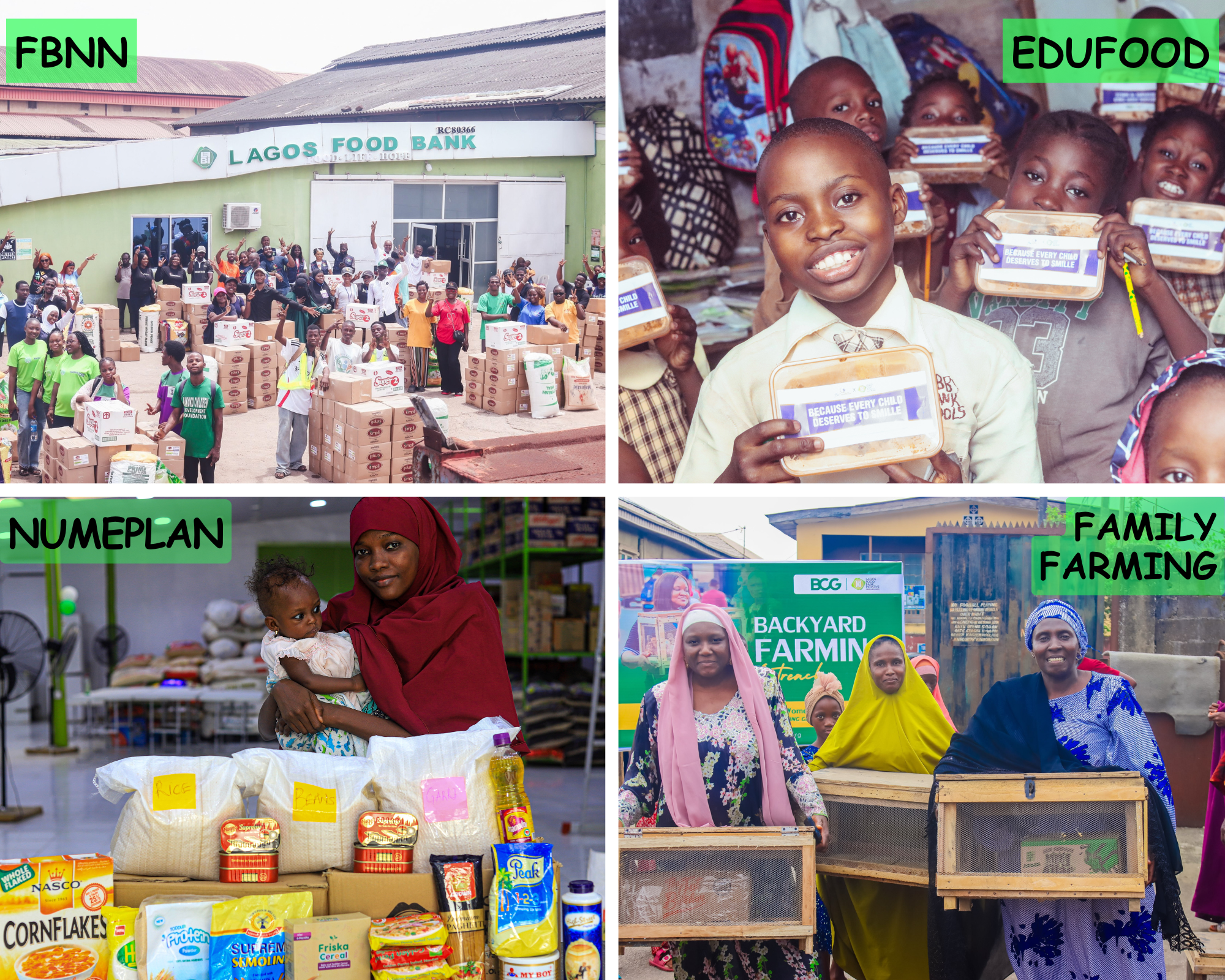
Through Family Farming, low-income households receive agricultural training and resources that can help them grow food, improve household nutrition and, where possible, create additional livelihood opportunities. A backyard garden, poultry project or small farm may seem modest, but it can give a household another pathway towards greater food security.
LFBI also recognises that lasting impact cannot depend on one organisation reaching every community alone. Through Food Bank Network Nigeria, the organisation works with partner NGOs to extend food assistance and resources to communities beyond its direct operational reach.
Then there is advocacy. LFBI continues to contribute to conversations around food waste, nutrition, healthcare and policies that can strengthen food security. Because some of the barriers families face cannot be solved through food distribution alone. They require stronger systems, collaboration and sustained investment.
None of this makes immediate food assistance less important.
The Temporary Food Assistance Program (TEFAP) continues to support families facing hardship. The Nutritious Meal Plan Intervention for Vulnerable Mothers and Children (NUMEPLAN) supports vulnerable mothers and children, while Education Enhancement Intervention for Food Insecure Students (EDUFOOD) helps provide nutritious meals to food-insecure schoolchildren.
These interventions matter because people cannot wait for systems to change before they eat.
But the long-term goal is bigger than the next food box.
It is a food system where less food is wasted, more families have the means to produce food, communities have stronger support networks and nutritious food is more accessible.
Because fighting hunger is not only about feeding people today. It is also about changing the conditions that leave people hungry tomorrow.