

A strong economy depends on a food system that can feed people today without compromising the ability to feed them tomorrow.
A sustainable food system connects farmers, food processors, businesses, markets, consumers, and communities in ways that strengthen food security while protecting natural resources and creating economic opportunities. In Nigeria, agriculture remains a major pillar of the economy, accounting for about 28% of GDP and employing roughly 40% of the labour force between 2021 and 2024, according to FAO.
When food systems are strengthened, the benefits extend far beyond the farm. Efficient value chains create jobs, increase incomes, support businesses and improve access to markets. FAO notes that sustainable agrifood value chains can contribute to food security, poverty reduction and economic growth, particularly by improving smallholder farmers’ access to markets, technology, finance and value addition.
Sustainability also means reducing food loss, protecting soil and water, adapting agriculture to climate change and making food systems more resilient to economic and environmental shocks. These investments can help protect livelihoods while reducing pressure on natural resources.
For Nigeria, building sustainable food systems therefore presents an opportunity to address hunger, unemployment, poverty and environmental challenges together.
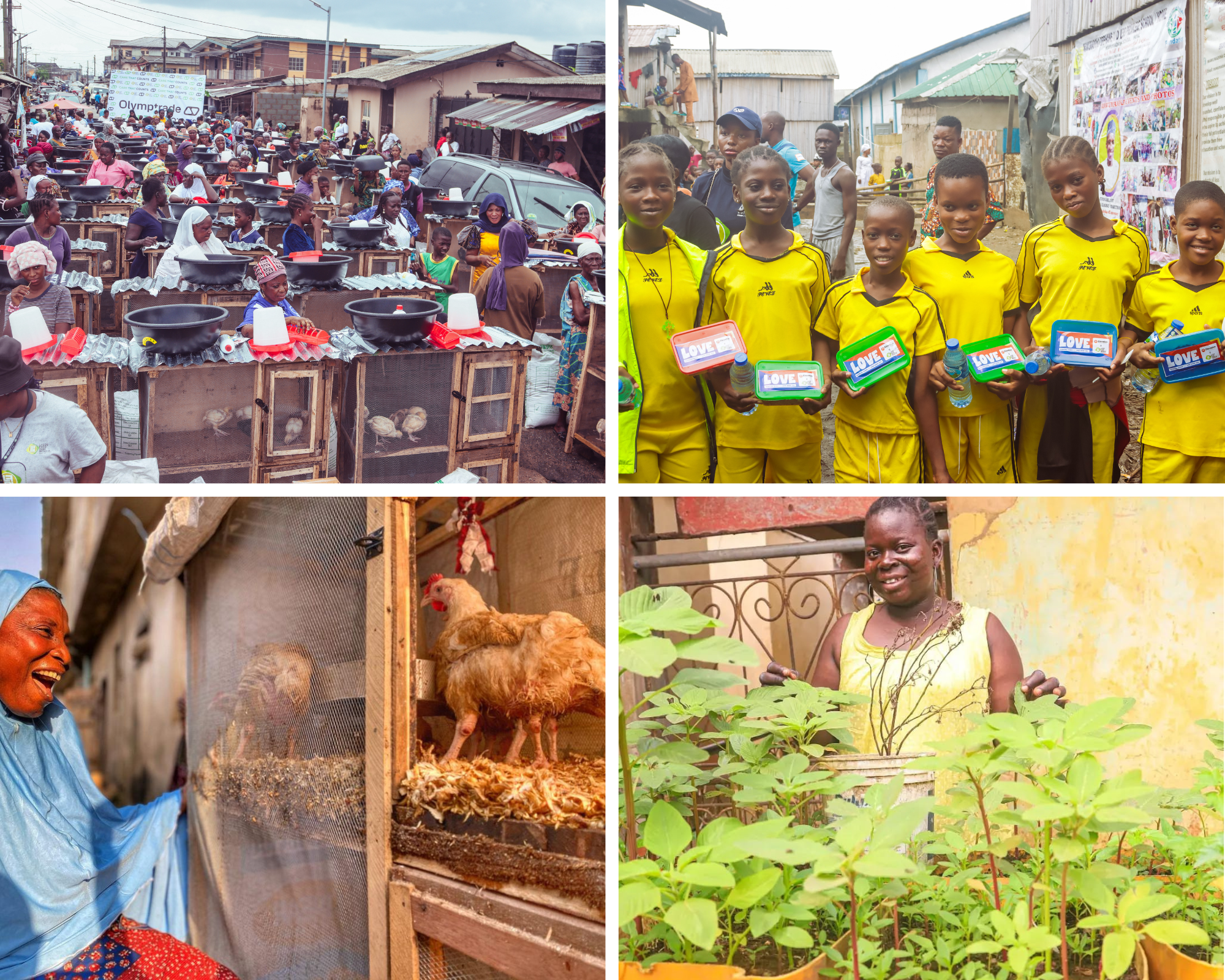
At Lagos Food Bank Initiative, this interconnected approach is reflected in interventions such as Agricultural Recovery, Family Farming, TEFAP, and the Education Enhancement for Food Insecure Students (EDUFOOD), connecting food assistance with agriculture, nutrition, livelihoods and community resilience.
A sustainable food system does more than produce food. It creates livelihoods, strengthens communities and lays the foundation for inclusive economic growth.